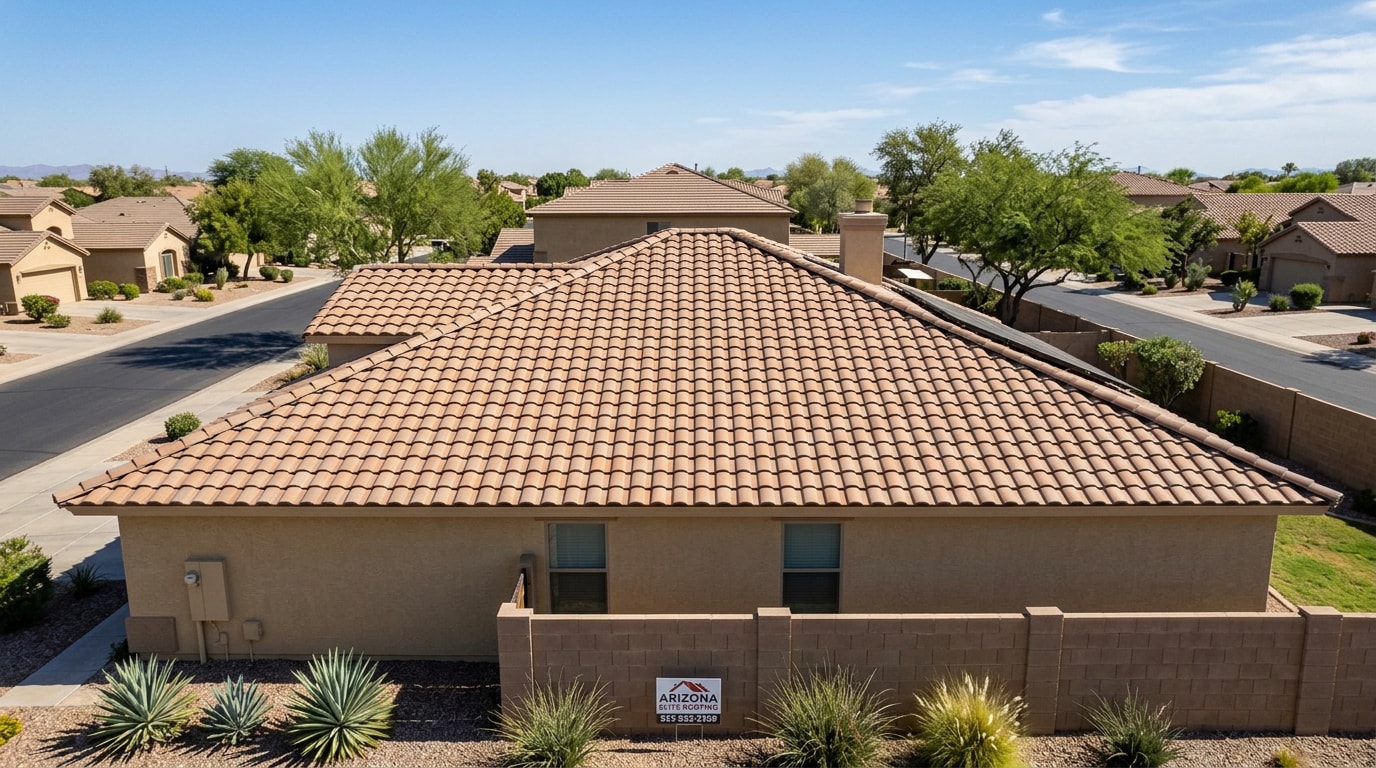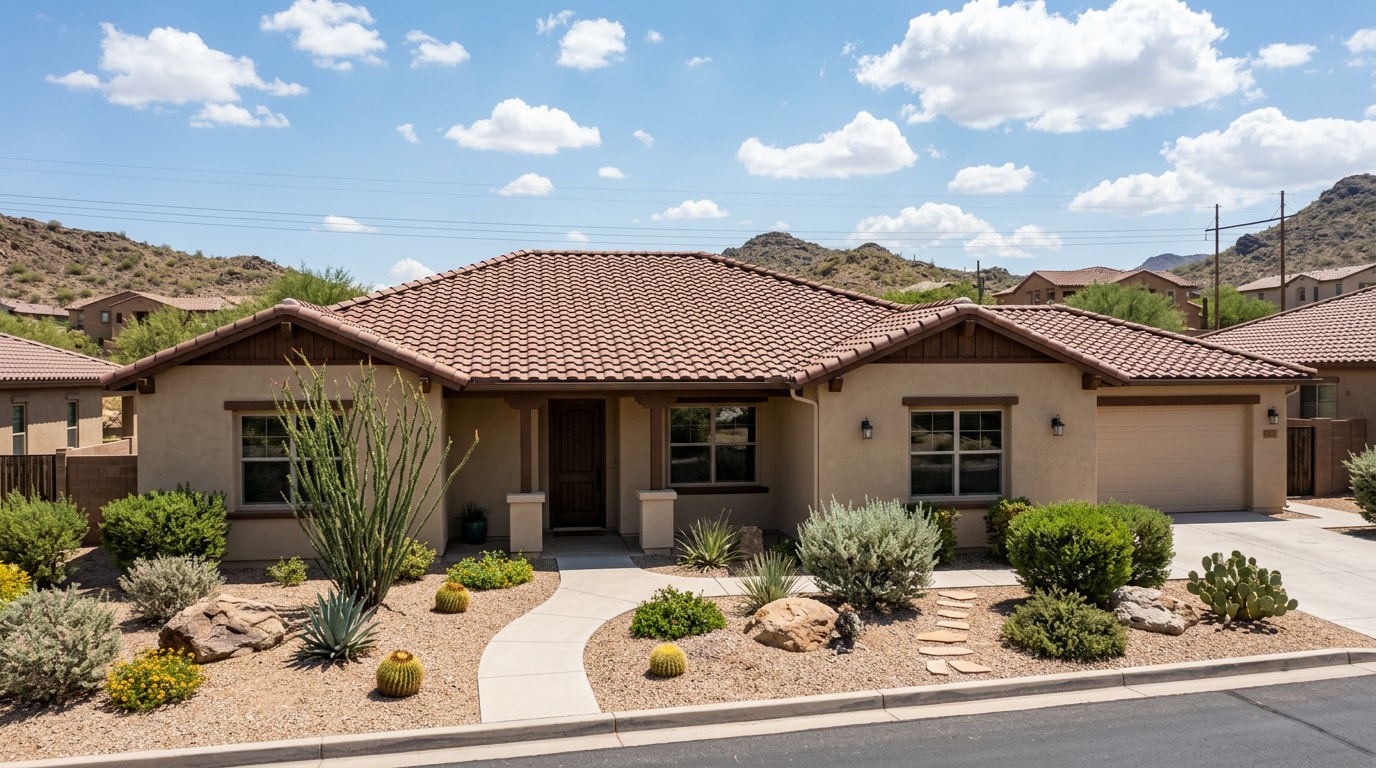
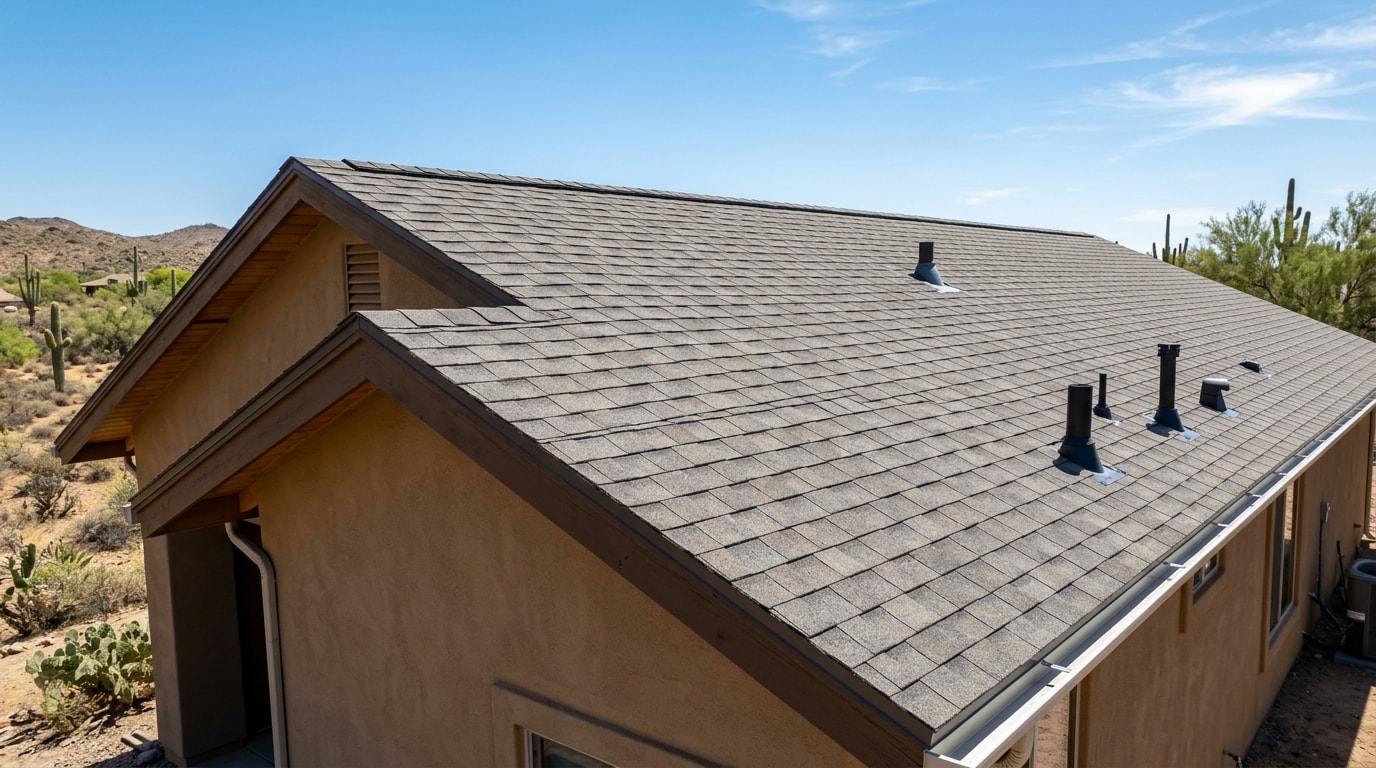
Choosing the right roof sealant for shingles San Tan Valley, AZ homeowners can count on takes more than grabbing a tube off a hardware store shelf. Between triple-digit summer heat and monsoon storms that roll through Pinal County every summer, asphalt shingles here wear out faster than roofs in milder climates. This guide breaks down which sealants actually hold up locally, where sealant helps versus where it can backfire, and what to check before you spend money on the wrong product.
Why Seal Asphalt Shingles in San Tan Valley, AZ?
Roof sealant closes micro-cracks and seams, blocks water intrusion, and slows the granule loss that shortens shingle life fastest in this climate. Applied correctly and in the right spots, it buys a roof extra years before heat and wind-driven rain turn small flaws into leaks.
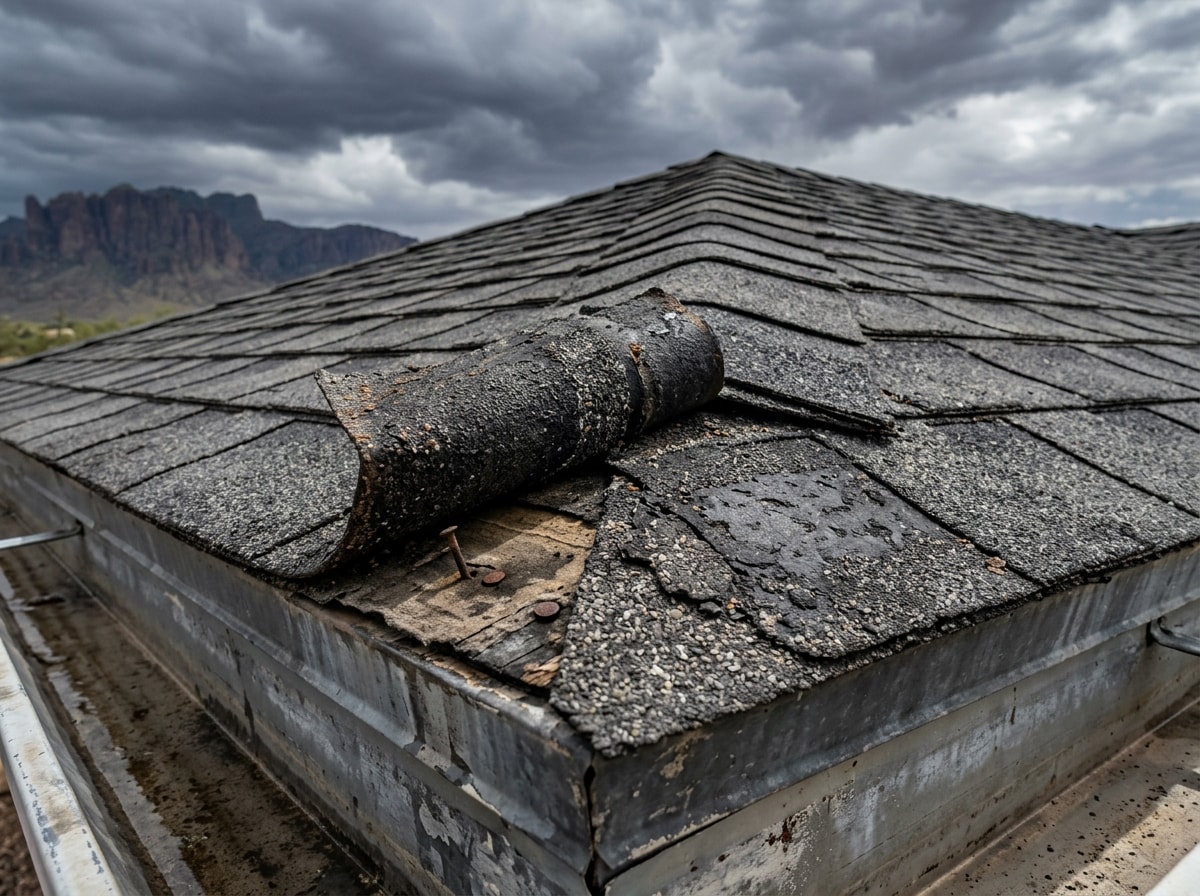
Summer roof-deck temperatures do real damage here. A dark-colored asphalt roof can reach 150 to 175 degrees on a hot summer day , according to shingle manufacturer Atlas Roofing. That kind of heat dries out the asphalt's natural oils, leaving shingles brittle and prone to cracking at the seams.
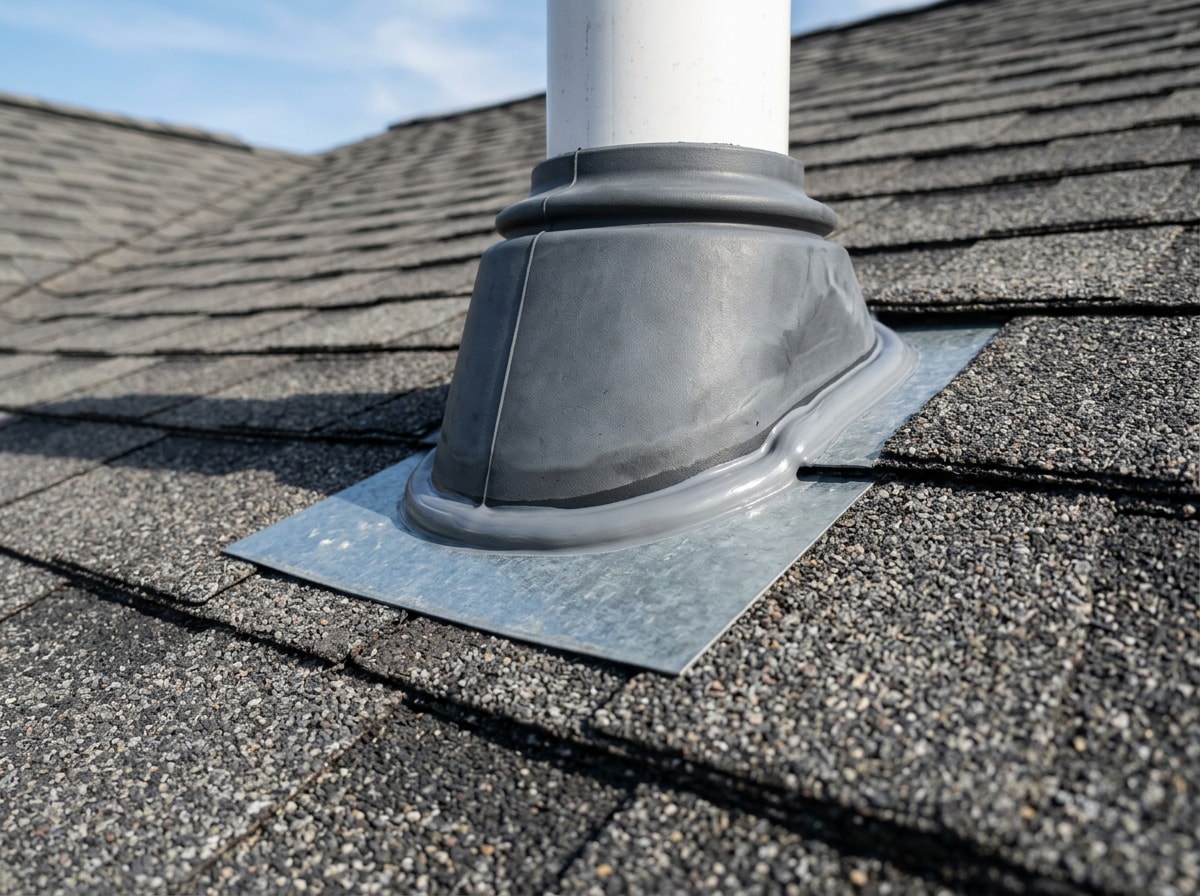
Then monsoon season arrives. The June 15 to September 30 season definition went into effect in 2008 , per the National Weather Service, and it brings sudden downpours and wind gusts that find every weak seam a heat-baked roof has created. A sealant applied to those vulnerable spots, flashing, vent boots, exposed nail heads, gives that surface a flexible barrier against both problems at once.
Heat and UV exposure also activate the factory-applied sealant strips built into most shingles, which rely on sun-generated warmth to bond and resist wind uplift. That's a separate system from the sealant products covered in this guide, but it explains why supplemental, spot-applied sealant often becomes necessary well before a shingle roof reaches the end of its rated life. In our own inspections across San Tan Valley roofs, the earliest failures almost always show up at flashing edges and vent penetrations, not in the middle of a shingle field, which is exactly where targeted sealant does the most good.
Sealant vs. Full Roof Coating: What Manufacturers Actually Say
Here's something most "best sealant" lists skip: there's a real difference between spot-sealing a seam and coating an entire shingle roof, and the industry's own trade group draws a hard line between the two.
The Asphalt Roofing Manufacturers Association (ARMA) has published formal guidance stating that ARMA strongly advises against the field application of any type of coatings or rejuvenators over installed asphalt shingles . The concern isn't sealing a flashing seam or a cracked tab, it's covering the whole roof surface. Many asphalt shingle manufacturers specifically do not recommend installing field treatments on their shingles, and state or local building codes may prohibit the practice because it can negatively affect performance characteristics like fire classification and algae resistance .
The reported problems are specific and documented. Field-treated roofs have shown coating shrinkage that results in curling or cupping of shingles and loosening of granule surfacing, and non-permeable coating materials can create a vapor-retarding layer by sealing the voids between shingles .
What this means practically: sealing a seam, a vent boot, or a few lifted tabs is routine maintenance. Rolling a full-surface coating over an entire shingle roof is a different decision entirely, one that should go through your shingle manufacturer first, not a product label. If you're unsure which category a repair falls into, a roof inspection before you buy anything settles it fast.
Sealant Types for Asphalt Shingles
Three chemical categories cover most shingle-safe sealants on the market. Each trades off differently against San Tan Valley's heat and monsoon wind.
| Sealant Type | Best For | Tradeoff |
|---|---|---|
| Silicone | Monsoon-prone seams, older roofs with visible wear | Higher cost, needs a clean, dry surface for a good bond |
| Polyurethane | High-wind areas, strong adhesion on flashing | 24 to 48 hour cure time; rain during curing can ruin the job |
| Acrylic | Newer roofs in good condition, budget repairs | Loses flexibility faster in extreme summer heat |
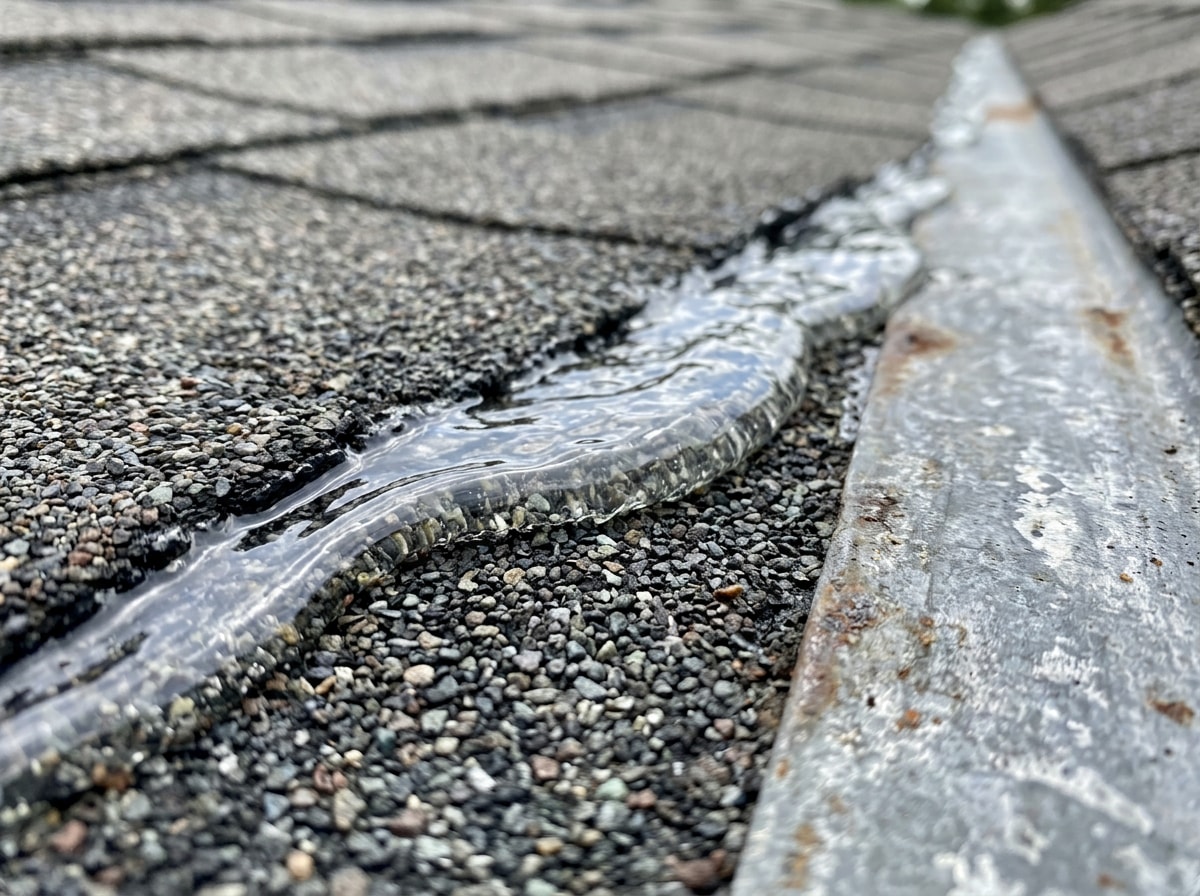
Silicone sealants (brands like GE Silicone II and DAP Dynaflex Ultra) stay flexible through the wide daily temperature swings common here. They're fully waterproof and resist cracking even after repeated heat-cool cycles, which makes them a strong fit for monsoon-exposed seams.
Polyurethane sealants (Loctite PL, Sikaflex) offer some of the strongest adhesion available and resist the wind that accompanies monsoon storms. The tradeoff is cure time. A storm rolling through before the sealant sets can undo the whole repair, so timing matters more than with silicone.
Acrylic sealants are the budget-friendly, quick-drying option. They work well on newer roofs without significant wear, but they tend to lose flexibility in extreme heat and can crack under San Tan Valley's summer deck temperatures sooner than the alternatives. Treat acrylic as proactive protection for a roof still in good shape, not a repair for an aging one.
Named Products Worth Knowing
Beyond chemical categories, a handful of specific products come up repeatedly in independent roofing resources for shingle-safe spot repairs.
- Liquid Rubber Waterproof Sealant flexes with roof movement instead of fighting it, holding up through thermal expansion and contraction. It's water-based and UV-resistant, which makes it easier to apply than solvent-based alternatives.
- Sashco Through the Roof Sealant can be applied wet or dry, which makes it genuinely useful for quick repairs between storms. It stays flexible across extreme temperature swings and bonds well to shingles, flashing, and vent boots, the spots where leaks most often start. It also accepts paint, so a repair can blend into the roof color instead of standing out.
- DAP Waterproof Asphalt Filler & Sealant is the budget pick for small jobs, like sealing a crack around a vent pipe or securing a loose tab. It's formulated specifically for asphalt surfaces.
Reflective, full-surface shingle "roof coatings" exist too and are marketed on energy savings. Given the ARMA guidance above, confirm with your shingle manufacturer before using one, and get a professional opinion first through our shingle roofing services.
Choosing the Right Sealant for Your Roof
Matching the product to the roof matters more than chasing a single "best" sealant. Silicone and polyurethane generally perform best on asphalt shingles overall, but roof condition changes the calculation. Older, already-cracked roofs usually need silicone's flexibility. Newer roofs can often get by with acrylic. Underlayment condition matters too; sealant applied over compromised underlayment is a short-term fix at best.
San Tan Valley's large swings between scorching daytime heat and cooler desert nights put constant stress on roofing materials through thermal expansion and contraction. A sealant that loses flexibility over time will eventually crack along the very seams it was meant to protect, no matter how well it adhered on day one.
This is where a professional opinion beats guesswork. A roof inspection identifies whether flexibility, adhesion, or underlayment condition is the actual problem before any sealant goes on, and whether the repair should be a quick seam seal or a full roof repair. If you're in San Tan Valley and want that assessment before monsoon season starts, schedule a free inspection and get a straight answer instead of a guess.
Pros and Cons of Roof Sealant on Shingles
Sealant isn't a universal fix, and treating it that way sets homeowners up for disappointment.
| Pros | Cons |
|---|---|
| Extends roof lifespan when applied to the right spots | Not a permanent fix for severely damaged roofs, it buys time |
| Prevents water and mold damage at seams and flashing | Needs reapplication every 3 to 5 years in this climate |
| Costs far less than a full roof replacement | Incorrect application can trap moisture or leave gaps |
| Reduces heat absorption at treated areas | Some products carry noticeable odor during curing |
On the odor point, volatile organic compounds are emitted as gases from certain solids or liquids and include a variety of chemicals, some of which may have short- and long-term adverse health effects , per the EPA. Low-VOC, water-based sealants reduce that exposure, which matters if you're working near occupied bedrooms or a garage.
Locally, monsoon wind uplift and summer deck temperatures push sealant performance harder than milder climates do, and some HOAs or insurers have specific requirements around roof maintenance documentation. Sealant works well as preventive maintenance and minor repair. It is not a substitute for replacing a roof with structural damage, widespread shingle failure, or significant underlayment deterioration, situations where roof replacement or storm damage restoration is the honest answer. If a storm already did the damage, our insurance claim assistance team can help sort out what's covered before you spend on sealant that won't fix the real problem.
Homeowners in nearby communities face the same tradeoffs. Our guide on free roofing estimates in Queen Creek walks through how contractors scope a job before quoting a price, which applies whether you're comparing sealant work or a full repair.
FAQ
How often should I seal my roof?
Most asphalt shingle roofs in San Tan Valley need resealing at seams, flashing, and vents every three to five years, though intense UV exposure and heavy monsoon seasons can shorten that window. A roof inspection for your specific property confirms the right timeline based on roof age and sun exposure.
What's the difference between a roof sealant and a roof coating?
Sealant is a spot treatment applied to seams, flashing, vents, and cracks. A roof coating is a full-surface product rolled or sprayed over the entire roof. ARMA advises against full-surface coatings on installed shingles due to risks like cupping, curling, and trapped moisture, but spot sealant at problem areas is standard, routine maintenance.
Will sealing my shingles void the manufacturer's warranty?
It can, depending on the manufacturer and what's applied. Many shingle makers specifically disallow field-applied coatings and rejuvenators over their products. Spot sealant at a flashing seam is generally not the same issue, but check your warranty paperwork or ask a licensed contractor before applying anything over a large section of roof.
Can sealant extend roof life?
Yes. Applied to the right spots within that three-to-five-year window, sealant can meaningfully extend a shingle roof's usable life by protecting against the water intrusion and UV breakdown that monsoon-heavy climates accelerate. It won't add decades, but it delays the need for full replacement.
Is it a good idea to seal roof shingles?
Generally yes, for roofs that are aging but still structurally sound. Sealant protects against further wear and buys time before replacement becomes necessary. It's not a fix for roofs with structural damage, widespread rot, or major shingle failure, where repair or replacement is the honest answer.
Can you put roof coating on shingles?
Some products marketed as shingle-safe exist, but full elastomeric roof coatings designed for flat or low-slope roofs generally aren't recommended for sloped asphalt shingle surfaces, and ARMA's own guidance cautions against field-applied coatings on shingles in general. Sticking with products built and labeled specifically for spot shingle repairs avoids most compatibility problems.
---
This guide was reviewed by the project management team at AIM Services Roofing, who inspect and repair shingle roofs across San Tan Valley, Queen Creek, and the greater East Valley year-round. If your roof is showing cracked seams, lifted tabs, or granule loss heading into monsoon season, schedule a free inspection before deciding between sealant, repair, or replacement. You can also browse recent completed roofing projects in the area to see the work firsthand.