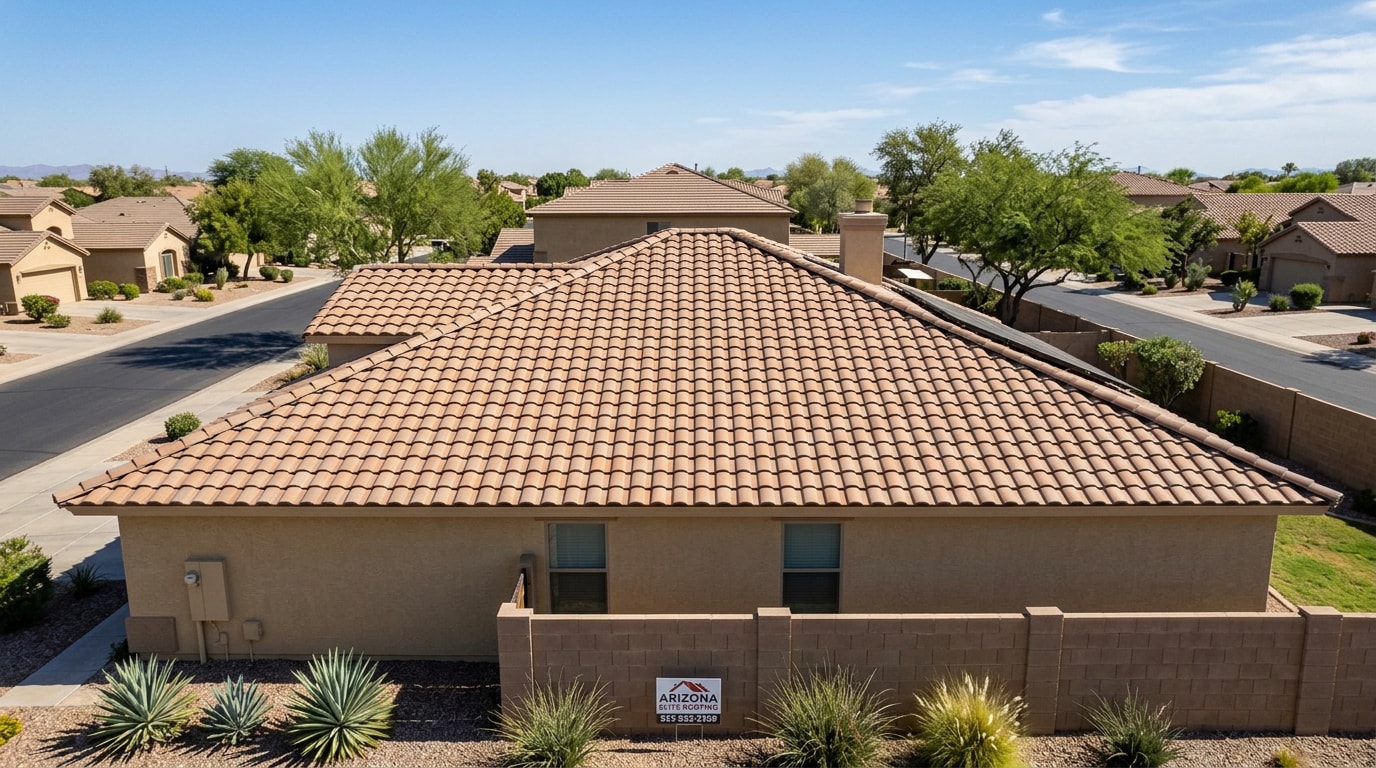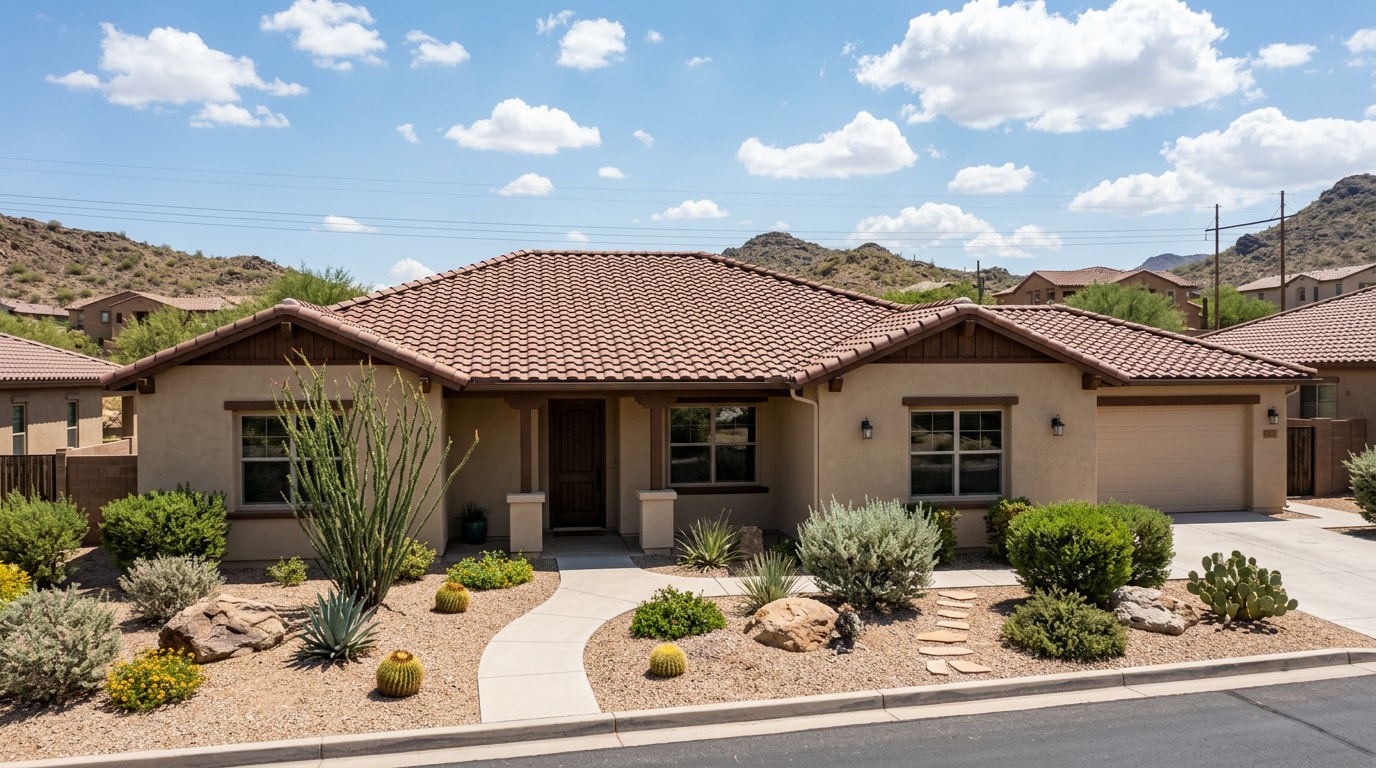
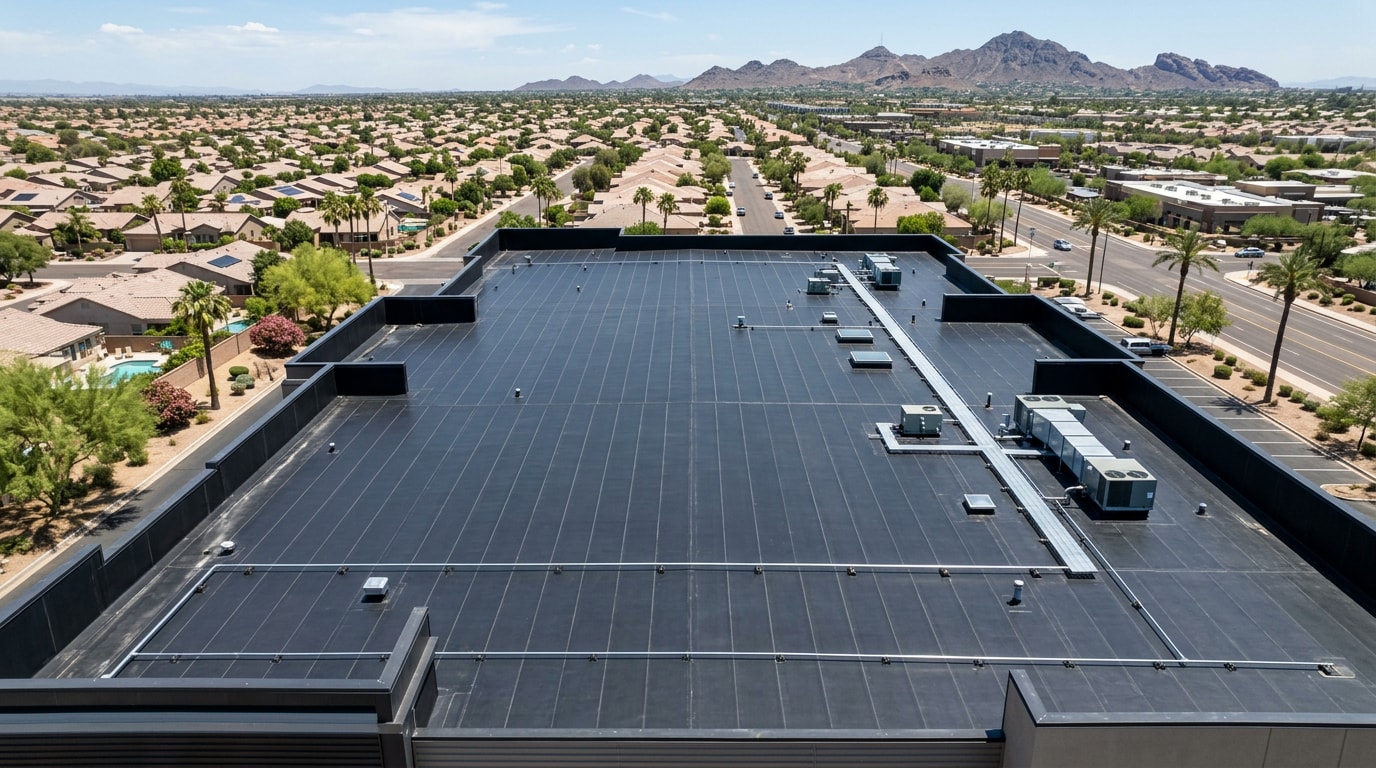
Rubber roofing material in Phoenix, AZ almost always means one product: EPDM, a synthetic rubber membrane built to flex through 100°F daily temperature swings without cracking. This guide breaks down 2026 costs, installation steps, warning signs of failure, and how to vet a contractor who actually understands desert heat. Here's what the generic national guides tend to leave out.
What Type of Roof Is Best in Arizona?
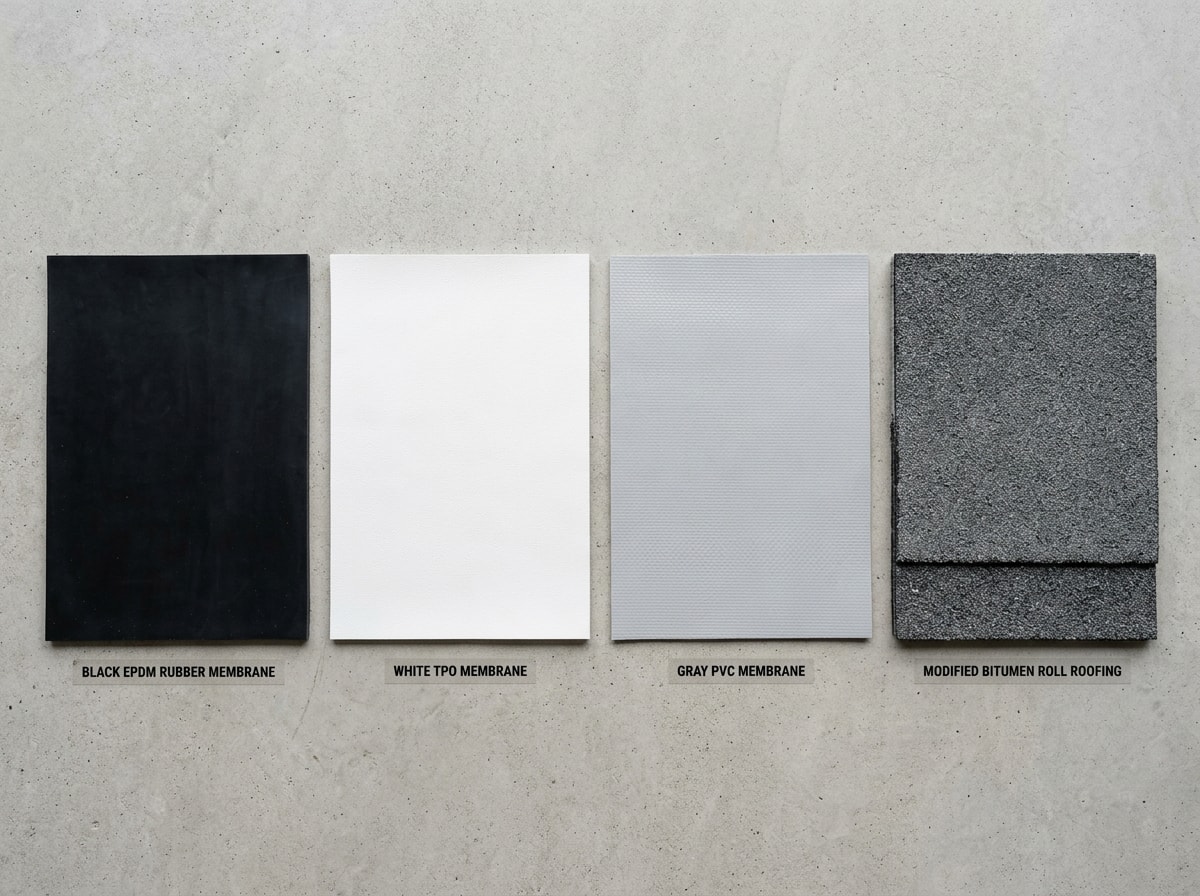
Phoenix flat-roof properties generally choose from four low-slope systems: EPDM rubber, TPO, PVC, and modified bitumen. Each one reacts differently to the Valley's UV load and monsoon humidity swings, so "best" really depends on budget, roof access, and how long you plan to own the building.
- EPDM (rubber): The most flexible option. Handles thermal cycling without going brittle, but standard black membrane needs a reflective coating to stay cool.
- TPO: Reflective out of the box and competitively priced, though its long-term performance depends heavily on how well the seams are heat-welded.
- PVC: The most chemical- and grease-resistant single-ply option, which is why it shows up on restaurants and industrial buildings more than homes.
- Modified bitumen: A layered asphalt system that's budget-friendly upfront but typically has a shorter service life than single-ply membranes.
Whatever material you choose, it has to meet code. Low-slope roof coverings in Phoenix fall under the International Building Code's roof assemblies chapter, which requires ballasted low-slope single-ply roof system coverings to be designed in accordance with Section 1504.8 and ANSI/SPRI RP-4 , among other performance standards for low-slope systems. A licensed contractor should be able to tell you exactly which section applies to your project without hesitation.
If you're still weighing options, our roofing material services page breaks down installation specifics for every system above.
What Is EPDM and Why It Holds Up in Phoenix Heat
EPDM stands for Ethylene Propylene Diene Monomer, a synthetic rubber membrane designed for flat and low-slope roofs. Its molecular structure lets it expand and contract through Arizona's extreme daily temperature swings instead of cracking or going brittle the way older rolled roofing products do.
This isn't a new or unproven material. The EPDM Roofing Association notes that five major research studies demonstrate the excellent long-term service life of EPDM when properly installed , and the membrane is manufactured in sheets large enough that larger sheets equate to fewer seams, less labor, faster installation and less maintenance over time . Fewer seams matters more in Phoenix than almost anywhere else, because seams are where thermal cycling does the most damage.
Here's something we see on actual roof inspections that doesn't show up in most buying guides: seam separation on Valley EPDM roofs concentrates disproportionately on west- and south-facing parapet walls, where afternoon sun hits longest and the membrane cycles through the widest daily temperature swing. If your roof has a west-facing parapet, that's the first place a good inspector should check.
How Long Does EPDM Rubber Roofing Last in Phoenix? 2026 Cost & Lifespan
A properly installed EPDM roof typically lasts 25 to 30 years in Phoenix. Installation quality, not the material itself, is usually what determines whether a roof hits the low end or high end of that range.
| Material | Typical Lifespan | Cost per Sq. Ft. Installed (2026) | Best-Use Scenario |
|---|---|---|---|
| EPDM (rubber) | 25–30 years |
$4 to $8 per square foot installed
| Flexibility and puncture resistance on low-slope roofs | |
|---|---|
| TPO | 20–30 years |
$5 to $9 per square foot installed
| Reflective finish at a mid-range budget | |
|---|---|
| Modified Bitumen | 15–20 years |
$4.00 to $7.50 per square foot installed
| Recovering older BUR substrates on a budget | |||
|---|---|---|---|
| PVC | 25–35 years | $6 to $12 per square foot installed | Restaurants, industrial sites, heavy chemical exposure |
Treat these as planning ranges. Actual quotes shift based on roof access, tear-off requirements, insulation, and current deck condition.
How EPDM Roofs Are Installed in Phoenix
A rushed installation is the single biggest reason EPDM roofs fail early in this climate. Here's the general sequence a quality crew follows:
- Tear-off and deck inspection. The old roofing material comes off and the deck gets inspected for rot or soft spots before anything new goes down.
- Underlayment. A protective layer goes over the deck to prevent water intrusion during the installation window and to smooth minor surface irregularities.
- Membrane placement. Crews fully adhere, mechanically fasten, or ballast the EPDM sheets, then seal every seam.
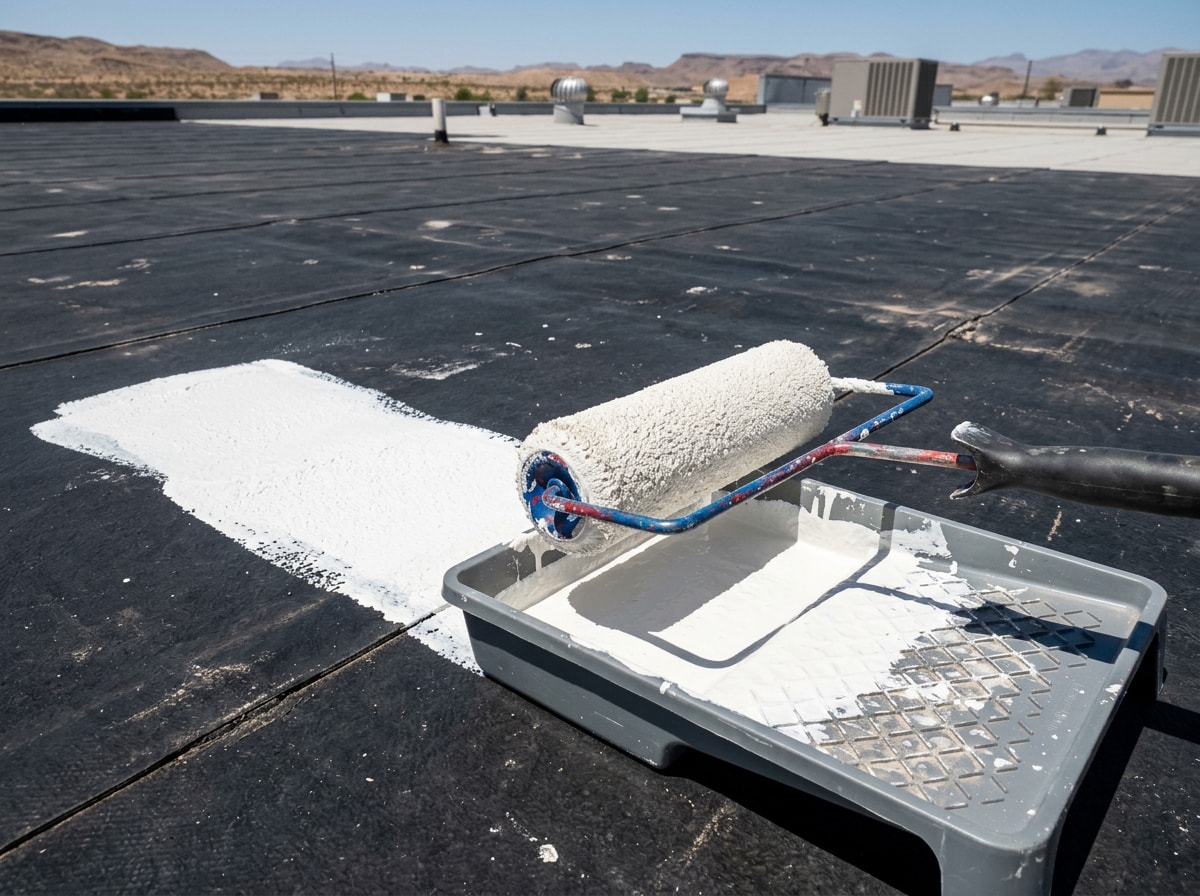
- Reflective coating. Because standard black EPDM absorbs heat instead of reflecting it, most Phoenix installations finish with a white elastomeric or cool-roof coating.
That last step isn't cosmetic. The EPA's heat island research found that cool roofing products made of highly reflective and emissive materials can remain approximately 50 to 60°F cooler than traditional materials during peak summer weather . On a roof baking under Phoenix sun for six months a year, that difference shows up directly on the AC bill.
Signs Your EPDM Roof Needs Repair (or Replacement)
Catching damage early is almost always cheaper than waiting for a leak to show up on the ceiling. Watch for:
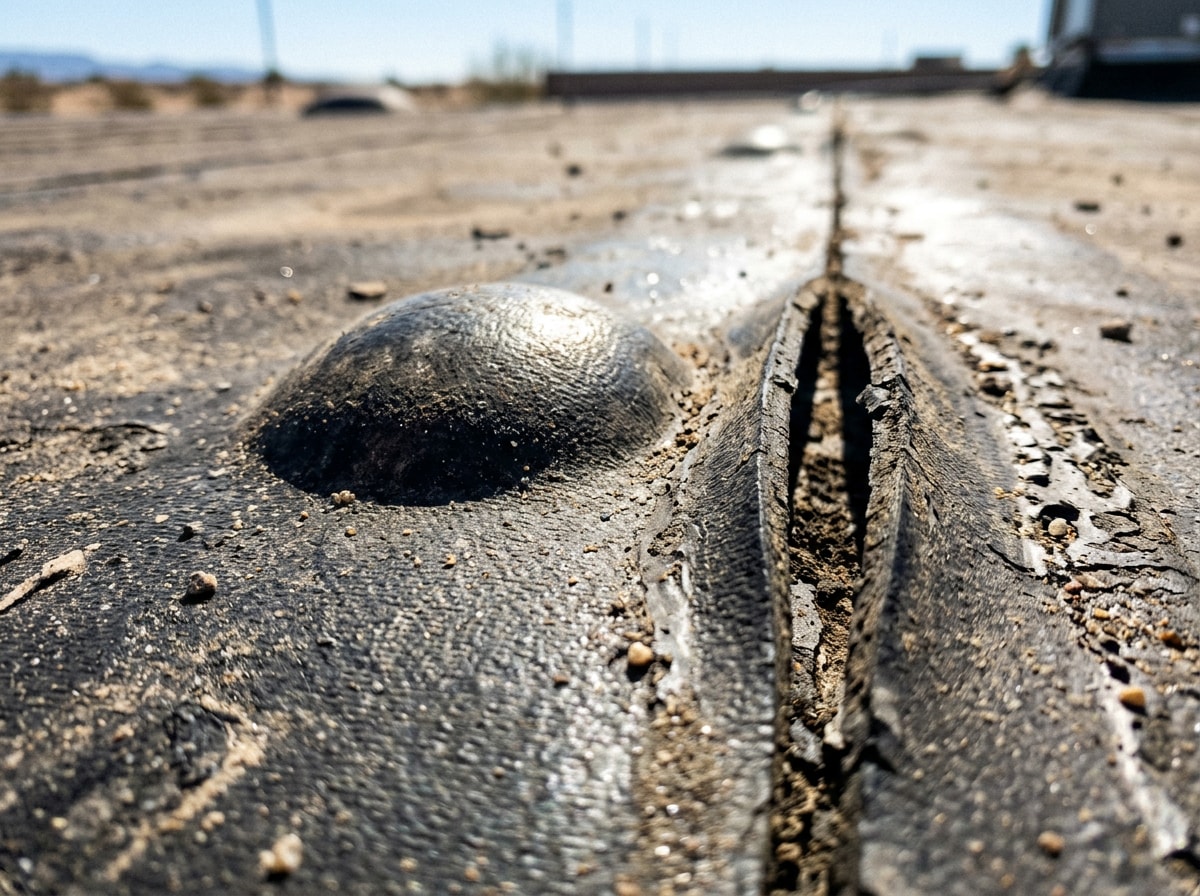
- Seam separation — the most common EPDM problem in Phoenix, caused by repeated heat cycling pulling membrane sheets apart at the seal.
- Ponding water lasting more than 48 hours, which accelerates membrane breakdown.
- Blisters or soft spots, usually a sign moisture has already gotten under the membrane.
- Visible punctures or tears, often from foot traffic or rooftop equipment servicing.
As a rough guide, repair makes sense for roofs under 15 years old with isolated damage. Replacement becomes the more practical call once a roof passes 20 years with widespread wear — though a well-maintained older roof can sometimes still be patched economically, so an in-person look matters more than age alone. Minor repairs commonly run in the neighborhood of a few dollars per square foot, while full membrane replacement runs closer to the installed cost ranges in the table above; get a written, itemized quote rather than relying on a phone estimate.
If a monsoon storm caused the damage, our storm damage restoration team handles that separately from routine wear repairs. For everything else, our roof repair and roof replacement pages cover what each process involves.
How to Hire a Reputable EPDM Roofing Contractor in Phoenix
Before you sign anything, confirm the basics:
- Active Arizona ROC license — ask to see it, don't take their word for it.
- Documented EPDM experience in the Valley specifically, not just general roofing experience.
- Itemized written estimates that break out tear-off, membrane, and coating costs separately, so you can actually compare bids.
- Recent local project history you can verify.
The team at AIM Services Roofing has handled EPDM inspections, repairs, and full replacements across the Phoenix area; you can see completed work on our projects page. We also serve Scottsdale, Tempe, and Mesa for anyone outside Phoenix proper. If you're already thinking about coating options for an existing membrane, our roof coating contractors guide for Florence, AZ covers pricing and hiring criteria that carry over to Phoenix jobs too.
Not sure whether your roof needs a coating, a patch, or a full tear-off? Start with a roof inspection, or schedule a free inspection directly and we'll tell you straight.
FAQ
How much does rubber roofing cost in Phoenix?
EPDM installed typically runs $4 to $8 per square foot in 2026, depending on membrane thickness, insulation, and whether tear-off is required. A 1,500 sq. ft. roof usually lands between $6,000 and $12,000 installed.
What is EPDM roofing made of?
EPDM is a synthetic rubber membrane made from ethylene, propylene, and diene monomer. It's similar in composition to the inner tube of a tire, which is part of why it stays flexible instead of cracking.
Is EPDM rubber better than foam (SPF) for Phoenix roofs?
Both perform well in the desert when properly maintained. Spray polyurethane foam offers strong insulation but can be punctured, while EPDM is highly puncture-resistant and flexible but needs a reflective coating to stay energy efficient. Compare both directly on our foam roofing page.
How long does a rubber (EPDM) roof last in the Phoenix heat?
A properly installed and coated EPDM roof lasts 25 to 30 years in Arizona. UV exposure and seam quality are the biggest variables in where a given roof falls in that range.
What are the signs of a failing EPDM roof?
Seam separation, ponding water that sits longer than 48 hours, blistering, and visible punctures are the main warning signs. Any of these justify a professional inspection before the next monsoon season.
What type of single-ply roofing is most common?
The three main single-ply types are EPDM, TPO, and PVC. EPDM is rubber-based, while TPO and PVC are plastic-based membranes with different heat-welding and chemical-resistance properties.