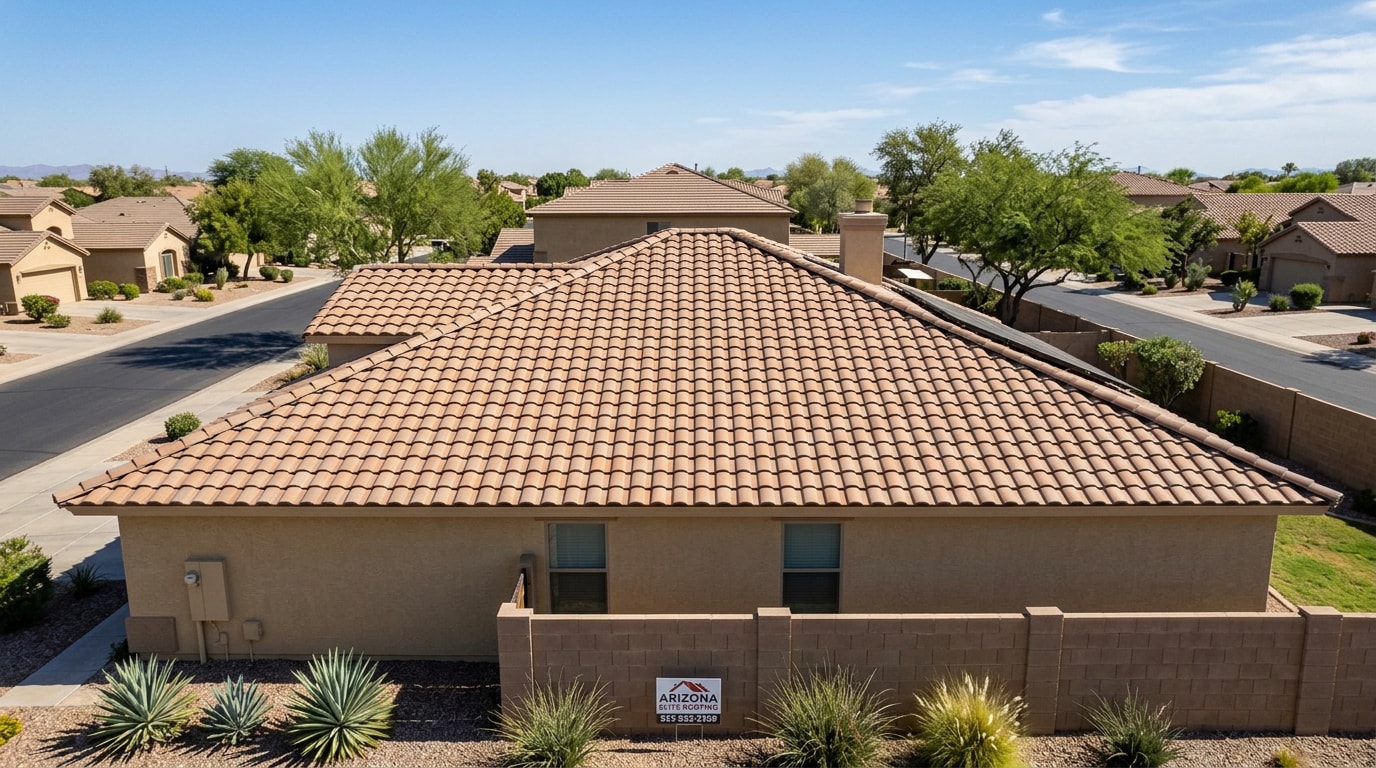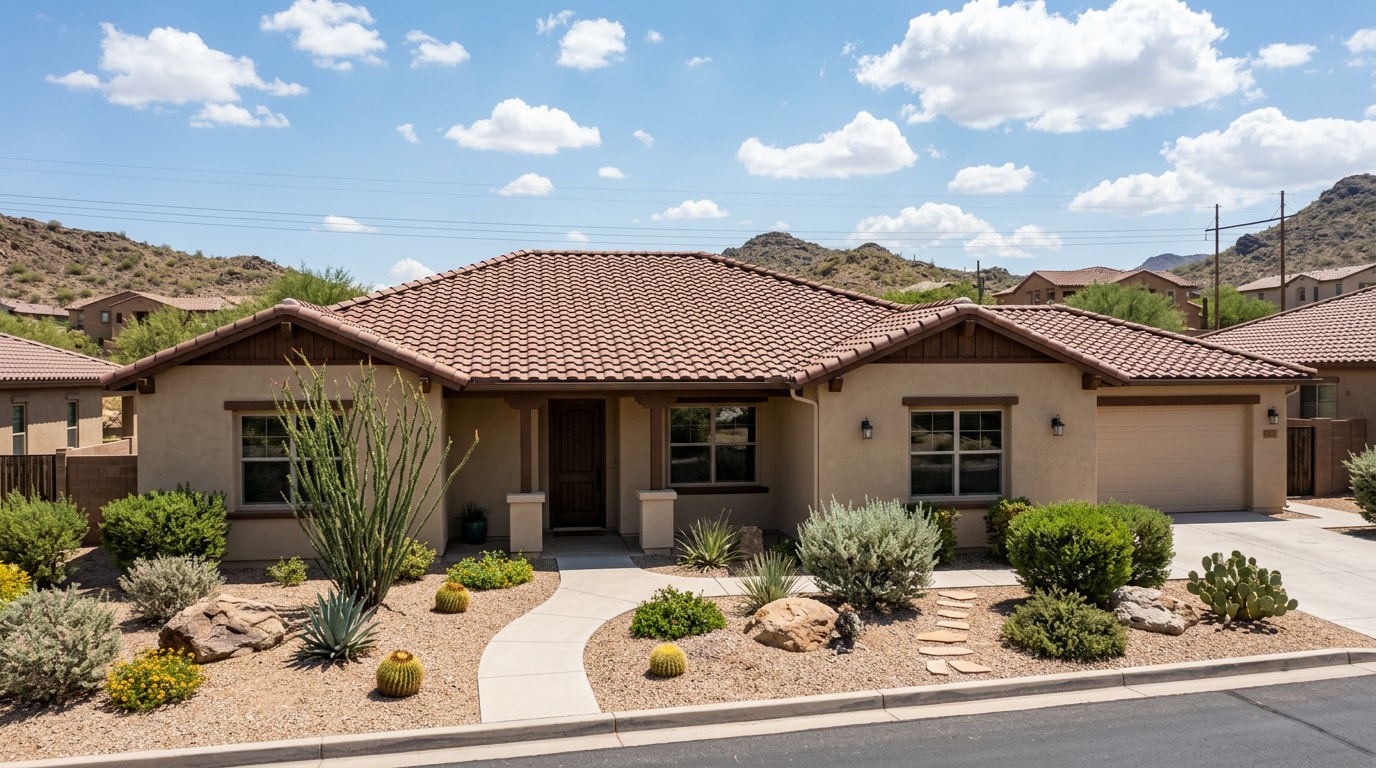
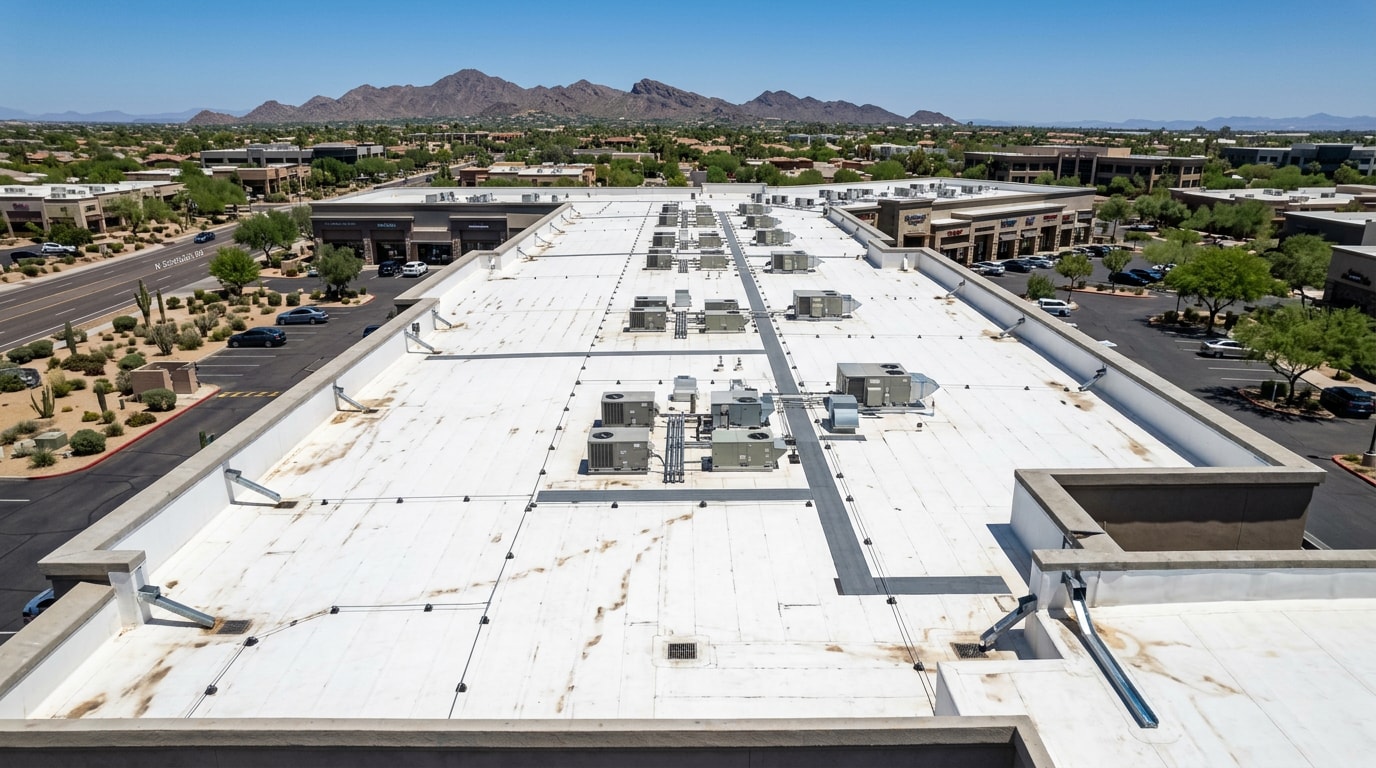
Commercial roofing maintenance in Scottsdale, AZ decides whether a membrane reaches its full service life or fails years early under desert UV and monsoon wind. A roof patched only after a leak starts always costs more than one checked on a schedule. Here's what an Arizona-grade maintenance program actually includes, system by system, and what it should cost to run.
How Often Should Scottsdale Commercial Roofs Be Inspected?
Generic "twice a year" advice doesn't account for the Arizona monsoon, and that's exactly where a lot of maintenance plans fall short here. A Scottsdale schedule needs to be built around the local storm calendar, not a national default.
| Roof Condition | Recommended Visits per Year | Timing |
|---|---|---|
| New roof (0-5 years), good condition | 2 | Pre-monsoon (May) and post-monsoon (October) |
| Aging roof (6-15 years) | 2-3 | Add a mid-summer check during peak monsoon activity |
| Roof near end of warranty or expected life | 4+ | Quarterly, plus a walk after every major storm |
Professional guidance is consistent on one point regardless of climate: this work belongs to a trained crew, not building staff. NRCA does not recommend homeowners or property management personnel attempt to undertake roof work themselves. A dedicated roof inspection turns a schedule like the one above into a documented condition report instead of a guess.
What a Commercial Roof Maintenance Program Should Include
A real maintenance program is more than a drive-by look from the parking lot. It needs:
- A roof map and assembly history for each section of the building
- A defined scope for every visit: correct small defects on the spot, flag anything bigger
- Written documentation after every inspection, not a verbal "looks fine"
- A clear line between routine maintenance and work that needs a roof repair estimate or a roof replacement plan
Custom Plans by Roof Type
A one-size-fits-all checklist breaks down fast on mixed commercial properties, think a strip mall with several roof sections or a resort campus running two or three roofing material systems side by side. Each section ages on its own timeline and needs its own plan.
Commercial Roof Maintenance by Roofing System
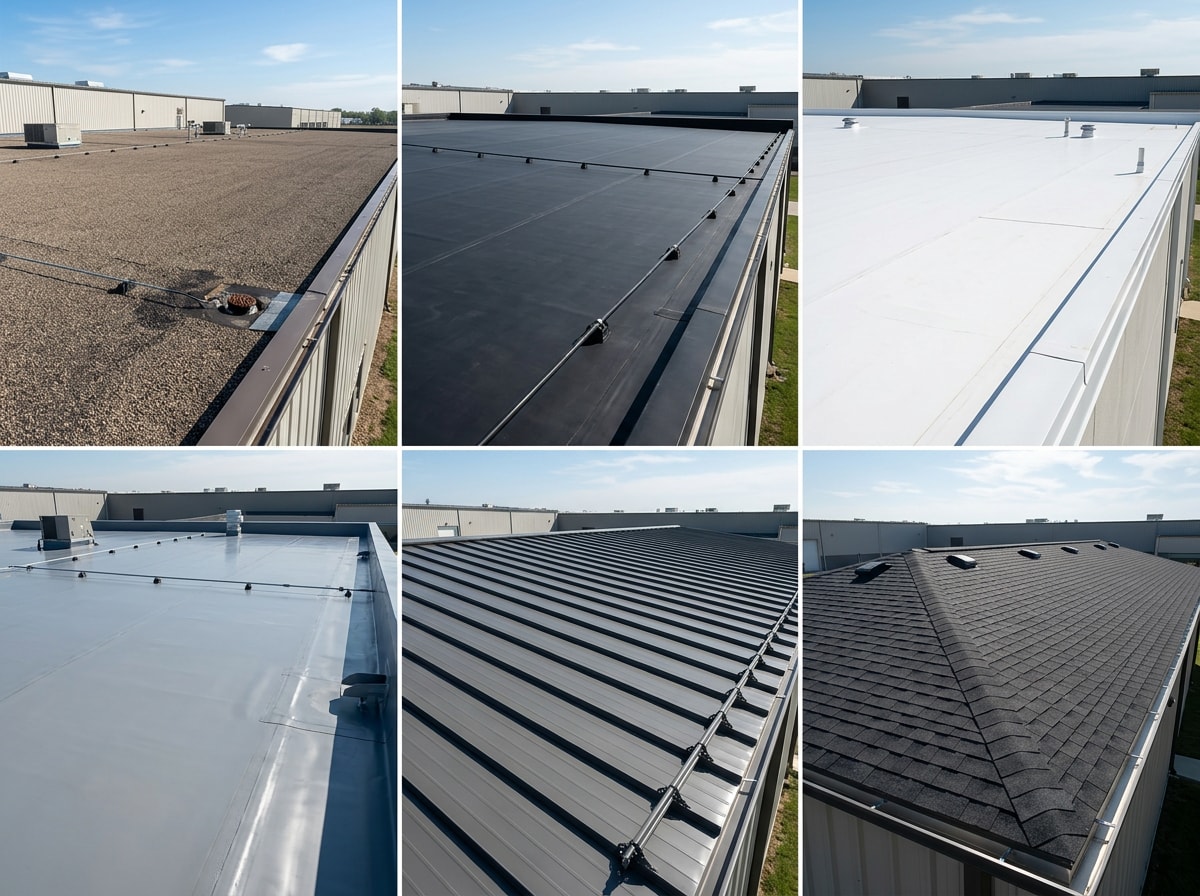
Scottsdale commercial buildings run a genuine mix of flat and sloped systems. What gets checked, and how often, depends on the membrane.
| Roof System | Primary Maintenance Focus | Early Warning Sign |
|---|---|---|
| Flat / Built-Up | Drains, scuppers, ponding water, seams | Standing water more than 48 hours after rain |
| EPDM | Seam adhesion, edge shrinkage, UV wear | Membrane lifting at edges or flashing |
| TPO | Heat-welded seams, surface chalking, reflectivity | Surface turning dull gray instead of white |
| PVC | Grease/chemical exposure points, seams | Soft or blistered spots near kitchen exhaust vents |
| Metal | Fasteners, coating wear, panel seams | Rust streaks, loose or backed-out screws |
| Shingle / Composition | Flashing, valleys, granule loss | Bald patches or curling edges |
On walk-throughs across Scottsdale business parks, our crews see the same pattern repeatedly: TPO and EPDM membranes that look fine from the ground are already showing heat-cycle stress right at the parapet transitions, not in the open field. That's why a maintenance visit has to include edges and penetrations, not just a scan of the roof's center.
TPO's white, reflective surface carries a real energy advantage in a hot climate. The federal cool-roof program requires a low-slope membrane to hold an aged reflectance of 0.50 to qualify for an Energy Star rating . Keeping that surface clean and free of coating breakdown is part of maintaining the energy savings, not just the waterproofing. For a deeper look at how TPO, EPDM, PVC, and modified bitumen compare over time, see our roofing membrane guide.
How Scottsdale's Climate Affects Commercial Roof Maintenance
Arizona's climate creates specific, measurable stress on commercial roofs, not just generic "desert heat" wear. UV exposure accelerates membrane breakdown. Thermal cycling between scorching days and cooler nights stresses seams and fasteners. Monsoon wind and hail test flashing and drainage all at once, and dust buildup in drains compounds it.
The National Weather Service sets a fixed window for this: Arizona's monsoon season officially extends from June 15th through September 30th . That window should shape the maintenance calendar directly.
- Pre-monsoon (May): clear drains, check seals, document existing wear before storm season hits
- Post-monsoon (October): walk the roof for lifted flashing, punctures, and new ponding spots
If a building already shows water intrusion or storm-related wear, that's a job for storm damage restoration, and if the damage is significant, insurance claim assistance can help document the loss correctly the first time.
One more reason to leave rooftop work to a licensed crew: federal rules require that anyone working roofing activities on a low-slope roof near an unprotected edge shall be protected from falling by guardrail systems, safety net systems, personal fall arrest systems . That's not a box most facilities teams are equipped to check off safely on their own.
What Commercial Roof Maintenance Costs in Scottsdale
There's no single number here. What drives the price is:
| Factor | Why It Affects Cost |
|---|---|
| Roof size (sq ft) | More membrane, more drains, more time on-site |
| Roof system type | Welded TPO/PVC seams, EPDM adhesive seams, and metal fastener checks all take different labor |
| Roof age | Older membranes need closer attention and more repair line items |
| Visits per year | A monsoon-driven schedule (2-3 visits) costs more than a mild-climate 2-visit plan |
| Access and safety setup | Parapet height and rooftop equipment density affect how long a visit takes |
The only reliable way to get an accurate number is an on-site look at the actual roof. Schedule a free inspection and get a written scope before committing to a plan.
AIM Services maintains commercial and industrial roofs throughout Scottsdale, AZ and the surrounding Valley, working across metal, shingle, foam, and flat membrane systems as a full-service roofing contractor. You can see completed work on our projects page, or visit the homepage for the full list of services.
FAQ
How Often Should a Commercial Roof Be Inspected in Scottsdale?
Most Scottsdale commercial roofs do well with two professional visits a year, timed before and after monsoon season (roughly May and October). Roofs over 15 years old, or those near the end of their warranty, benefit from a mid-summer check as well.
What Does Commercial Roof Maintenance Include?
A complete visit covers condition checks across the whole roof, drainage and detail review, written documentation of findings, and prioritized minor repairs. A good program is organized around drainage performance, flashing and penetration details, repair history, and the owner's budget and timing.
What Are the Most Common Causes of Commercial Roof Leaks in Scottsdale?
Flashing failure, ponding water, membrane seam separation, and HVAC curb penetrations account for most local commercial roof leaks. These trouble spots worsen gradually, which is why routine inspections catch them cheaply, while waiting for an active leak turns the same problem expensive.
How Much Does Commercial Roof Maintenance Cost in Scottsdale?
Cost depends on roof size, system type, age, and how many visits the schedule requires. There's no flat rate that applies across every building; an on-site assessment is the only way to get an accurate number.
Can Building Staff Handle Roof Maintenance Themselves?
Routine ground-level tasks, like reporting visible ceiling stains, are fine for staff to flag. Actual rooftop inspection and repair work should go to a licensed roofing contractor. Federal fall-protection rules apply to anyone working near an unprotected roof edge, and most facilities teams aren't equipped with that gear.
What Climate Condition Matters Most for Scottsdale Commercial Roofs?
Drainage and seam condition tend to drive more failures than any single weather event. Keeping drains clear and seams sealed year-round, with extra attention before and after monsoon season, prevents more problems than reacting to one storm at a time.