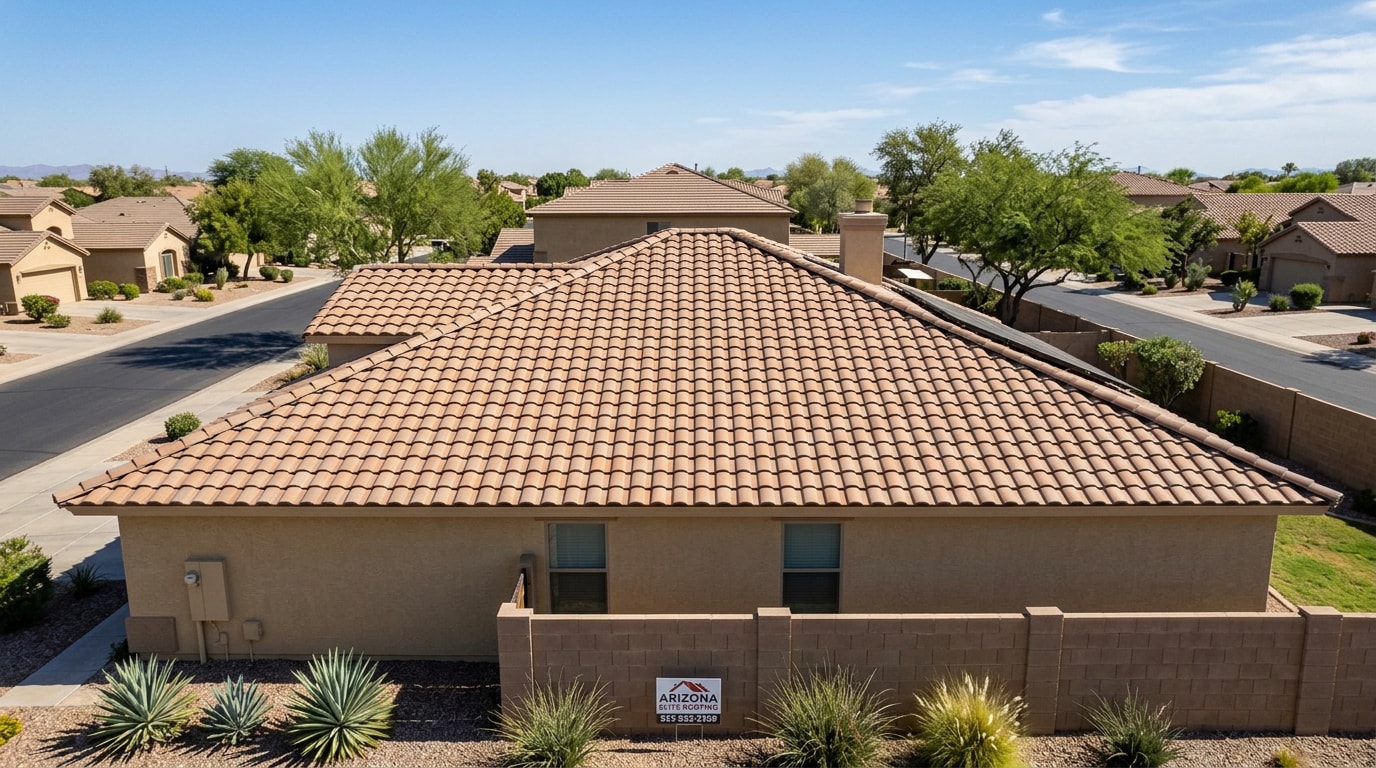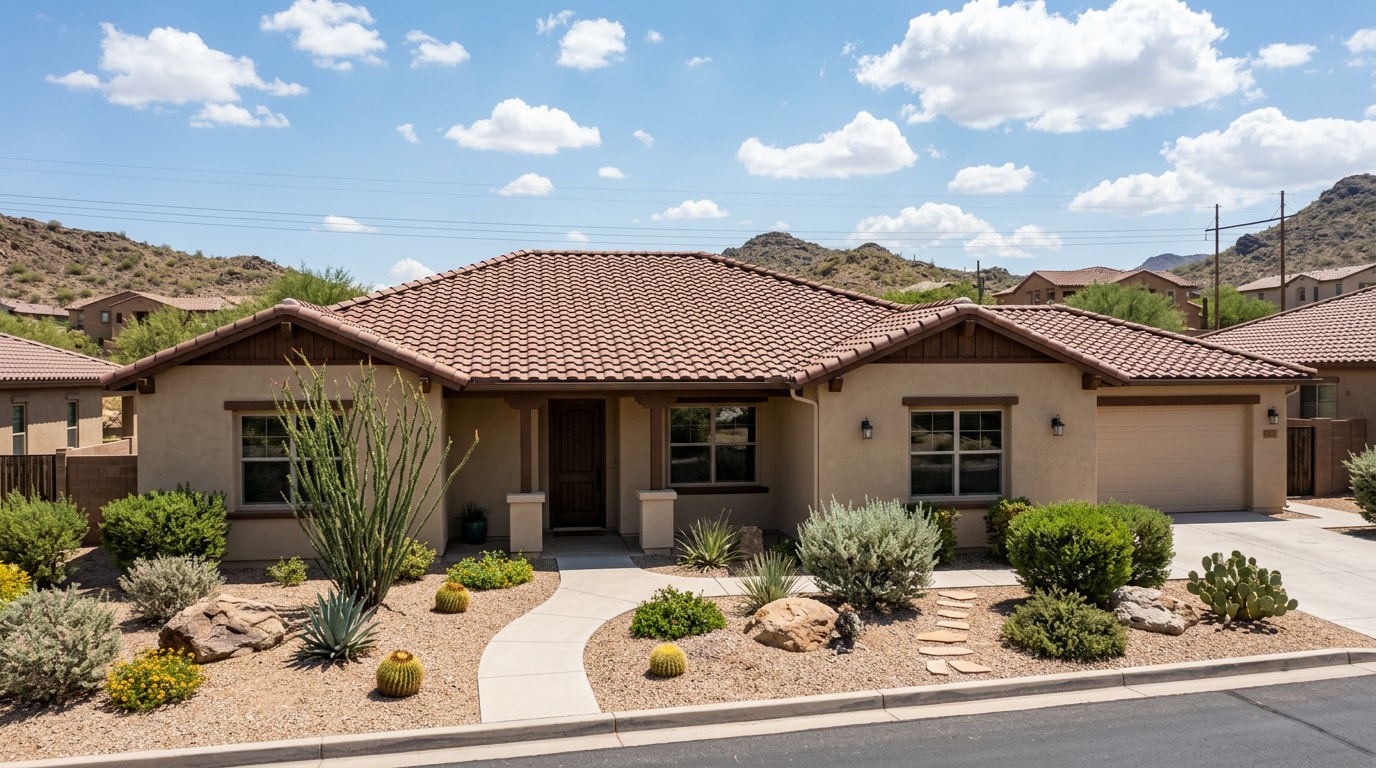
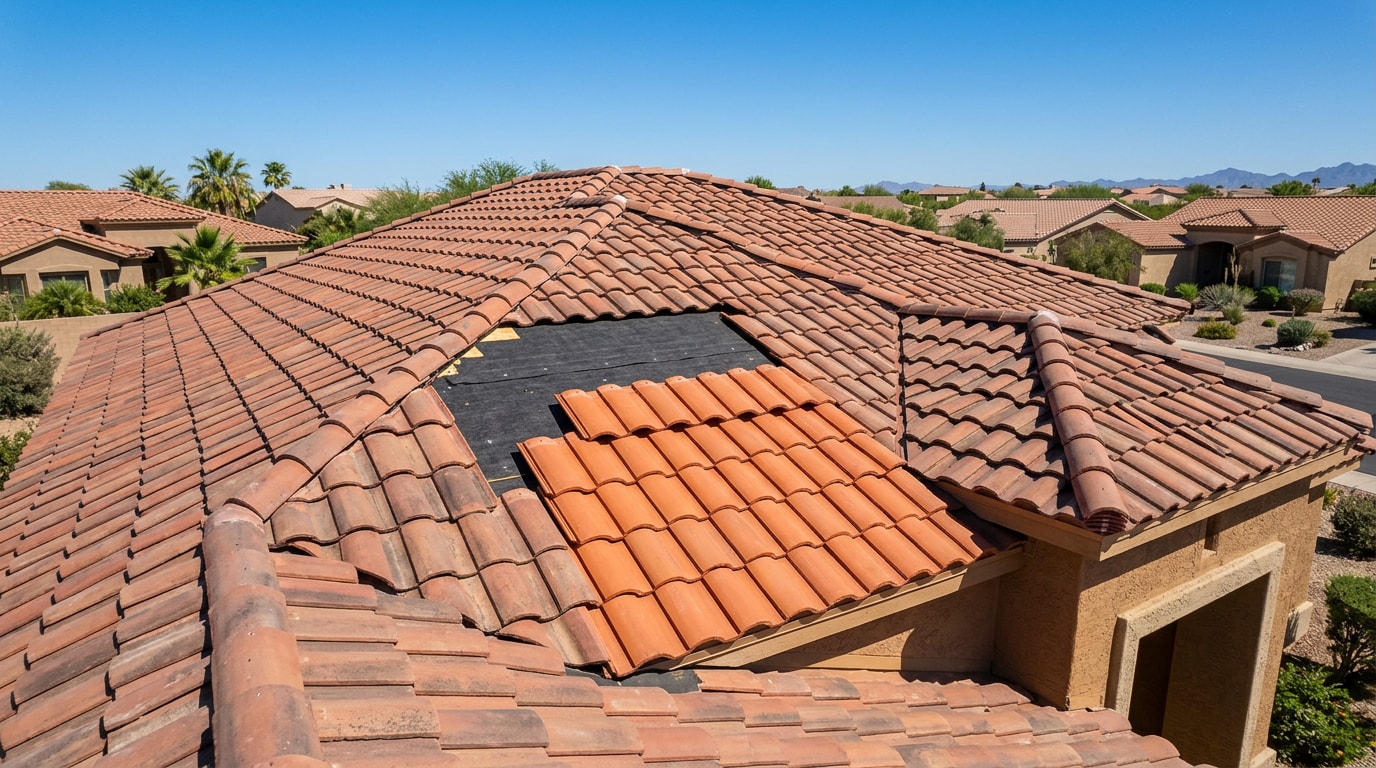
Roof repair in Tempe, AZ usually starts with one of three things: a water stain on the ceiling, a cracked tile after a monsoon storm, or an inspection report flagging a problem before it becomes a leak. This guide breaks down the repairs we see most often, realistic 2026 cost ranges, and the permit and insurance questions that trip up most homeowners. By the end, you'll know whether your roof needs a patch, a plan, or a full conversation about replacement.
Visit AIM Roofing to see our services and request a free estimate.
Why Tempe's Climate Wears Roofs Out Faster
Tempe roofs work harder than roofs almost anywhere else in the country. Summer highs regularly climb past 110°F, and that sustained heat combined with intense UV exposure breaks down shingle granules, dries out underlayment, and weakens tile adhesives faster than in milder climates.
Then monsoon season arrives. Arizona's monsoon season is officially defined by the National Weather Service as running from June 15 through September 30, with storms peaking between mid-July and mid-August . High wind, dust storms, and sudden downpours during that window can shift tile, expose flashing, and overwhelm roofs already stressed by months of heat.
That one-two punch, heat damage all summer followed by a few months of violent storms, is why roof repair Tempe, AZ homeowners search for isn't a one-time fix. It's an annual maintenance item, the same way servicing an HVAC system is.
Common Roof Repairs in Tempe, AZ
Most repair calls fall into a handful of categories, each tied to a specific failure point caused by heat cycling, UV exposure, or storm impact.
- Shingle repair fixes cracked, curled, or missing shingles, often from UV breakdown and wind lift during storms.
- Flashing repair reseals the metal around chimneys, vents, and valleys, a common failure point after years of heat expansion and contraction.
- Leak repair targets active water intrusion, usually traced to failed flashing, cracked tile, or worn underlayment.
- Tile roof repair replaces cracked or slipped tiles and reseals the underlayment beneath them.
- Flat and foam roof repair addresses coating failures, blistering, and ponding water on patio covers and additions.
- Gutter repair keeps monsoon rainfall moving away from the roofline instead of pooling against it.
A fix that works on one roof type won't necessarily work on another. Tile, shingle, and flat/foam systems each use different fasteners, underlayment, and sealing methods, so matching the repair to the existing assembly matters as much as addressing the visible damage. Our tile roofing and shingle roofing pages break down the material-specific details if you're not sure which system you have.
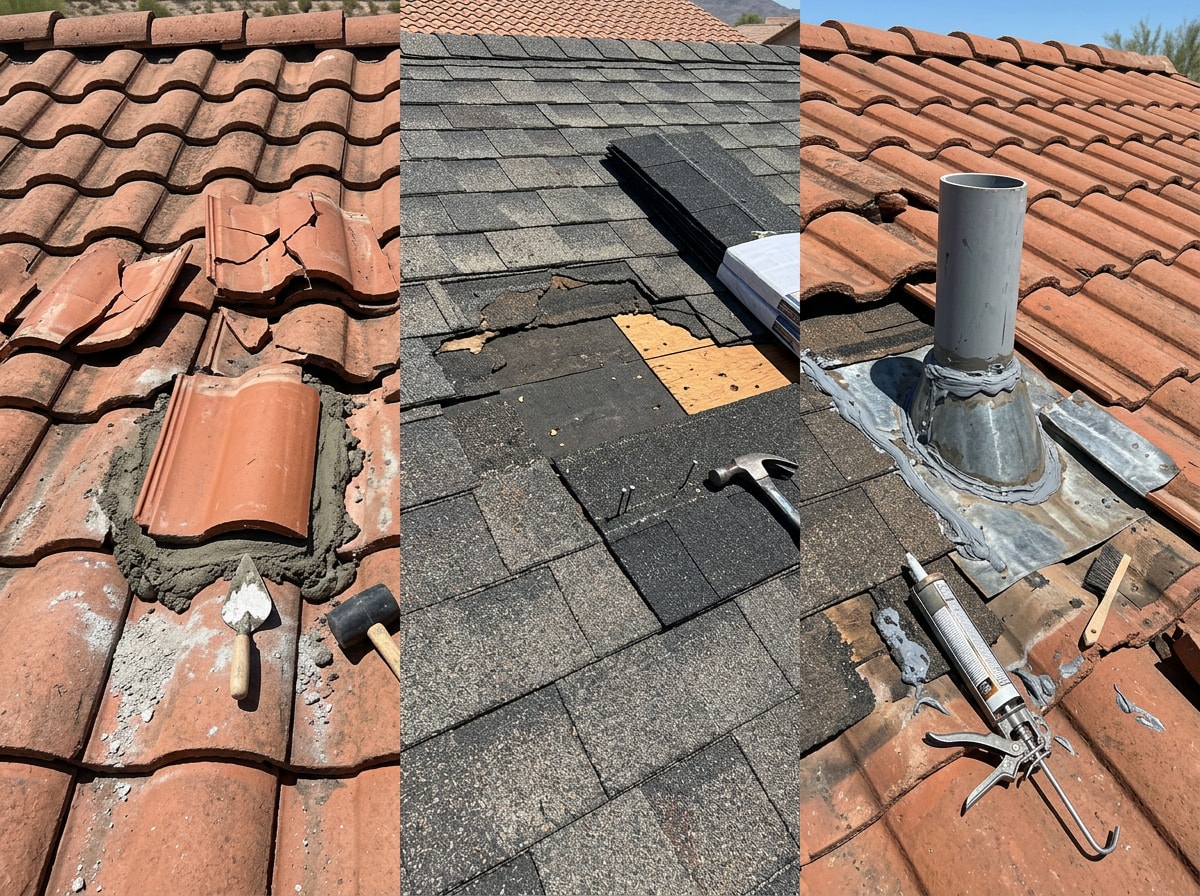
For tile, shingle, metal, or flat roofing systems, see our roof repair services page for a full breakdown of what's included.
Roof Repair Costs in Tempe, AZ: What to Expect
Costs vary depending on roof type, how extensive the damage is, and how long the issue sat before repair. A small flashing fix costs far less than a leak repair that's quietly damaged decking for months.
A proper on-site estimate is the only way to get an exact number, but the ranges below reflect typical 2026 pricing we see across major roof systems in the Tempe area.
| Roof System | Minor Repair | Leak Repair | Major Repair |
|---|---|---|---|
| Shingle | $250–$450 | $450–$900 | $900–$2,200 |
| Tile | $350–$600 | $600–$1,200 | $1,200–$3,000 |
| Flat/Foam | $300–$550 | $550–$1,100 | $1,100–$2,800 |
| Metal | $400–$700 | $700–$1,400 | $1,400–$3,200 |
These are general planning ranges, not quotes. Actual cost depends on accessibility, hidden water damage, and current material pricing.
Do You Need a Permit for Roof Repair in Tempe?
This is the part most roof repair guides skip. The City of Tempe's Building Safety Division, the department that issues local permits, handles permitting for roof work through its Permit Center. In general, like-for-like repairs that don't involve replacing plywood sheathing or changing the roof assembly typically don't require a permit, but full re-roofing or structural deck repair does. If you're unsure whether your repair crosses that line, the Building Safety Division can be reached at 480-350-4311 before work starts, and a licensed contractor should be able to tell you either way.
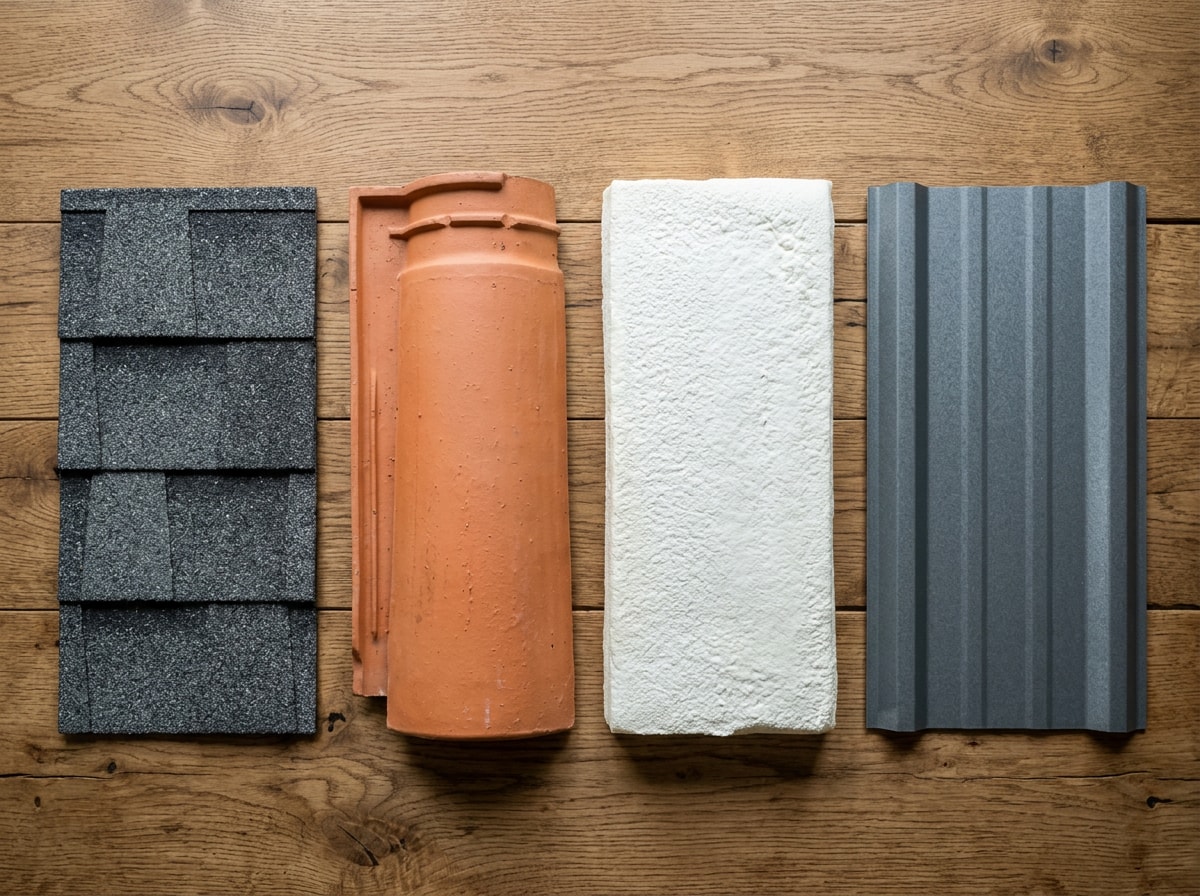
For an exact number on your home, schedule a free roof inspection and get a written estimate before any work begins.
Repair, Monitor, or Replace? How to Decide
Not every roof problem calls for the same response. Some issues need immediate repair, others are worth monitoring for a season, and some roofs have reached the point where repeated repairs stop making financial sense.
Three factors drive this decision: the roof's age relative to its material's expected lifespan, how often you're calling for repairs, and whether a home sale is coming up.
Roof Age by Material
Shingle roofs in Tempe typically hold up for 15 to 20 years before major issues set in, noticeably shorter than the national averages often quoted for milder climates. InterNACHI's Standard Estimated Life Expectancy Chart, a reference used widely by home inspectors, lists the underlying note that hot climates drastically reduce asphalt shingle life , which lines up with what we see on Tempe roofs year after year.
Tile is a different story. The tile itself can last well beyond 50 years, but the underlayment beneath it typically wears out decades sooner, which is why a tile roof's "repair clock" is really about the felt or synthetic layer underneath, not the tile on top.
That gap means a 12-year-old shingle roof nearing end-of-life calls for a different conversation than a tile roof of the same age. A roof already near the top of its expected range is a stronger candidate for replacement than one still well within it.
The Repair-Frequency Math
Track how many times you've called for repair over the trailing 12 to 24 months. If you're facing repeat roof repairs every few months, add up those costs and run the comparison against a full replacement estimate.
Sometimes the cumulative total tips the scale toward replacement even if the roof isn't failing outright. A roof that needed three separate repairs last year is usually signaling something more systemic than isolated storm damage, and in that case it's worth reviewing our roof replacement options instead of patching the same spot again.
Resale and Repair History
If you're planning to sell within the next year or two, roof condition becomes part of the negotiation. Buyers and inspectors flag roof age and repair history, and a thin patch-job record can lower resale value or trigger a credit request during escrow.
For borderline roofs, older and already repaired multiple times, replacing before listing often nets a better outcome than discounting the home to a buyer.
Storm Damage and Insurance Claims
Monsoon season is also when most insurance-related roof repairs happen. Wind-driven tile displacement, hail dents on metal panels, and water intrusion from a blown-off ridge cap are all claims we see every summer in Tempe. If your damage happened during a storm, document it with photos before any repair work starts, since that record matters for the claims process.
Our storm damage restoration and insurance claim assistance services exist specifically for this situation, helping homeowners navigate the adjuster process without getting shortchanged on scope.
How Roof Repair Improves Energy Efficiency
A damaged roof doesn't just leak, it lets conditioned air escape and outside heat in, which matters in a climate where cooling costs make up a large share of the summer utility bill. Sealing gaps, replacing cracked tile, and restoring reflective coatings on flat and foam roofs all reduce heat transfer into the attic and living space.
According to the U.S. EPA's ENERGY STAR program, a cool roof can reduce air conditioning costs inside a building on a hot day and even cool down the air around the building , and that benefit is amplified in a climate like Tempe's compared to milder regions. A well-maintained roof isn't just a structural investment, it's part of keeping cooling costs in check through the hottest months of the year.
Preventive Roof Maintenance in Tempe
Catching small issues before they become leaks is almost always cheaper than reactive repair. An annual roof inspection, scheduled before the monsoon window opens in mid-June, catches loose tiles, deteriorating flashing, and clogged gutters while they're still minor.
A second post-monsoon inspection after major storms is worth adding, since high wind and heavy rain can shift tile or expose flashing seams that weren't visible before. Clearing dust and debris regularly also prevents buildup that traps moisture against roofing material.
None of this guarantees you'll never need roof repair in Tempe, AZ again. But consistent maintenance measurably reduces how often major repairs come up. Scheduling a roof inspection twice a year is a simple habit that pays off over the life of the roof. If you're weighing roofing choices for a specialty structure like a greenhouse, our greenhouse roofing guide covers material options suited to Tempe's climate.
AIM Services Roofing's crews work on tile, shingle, flat, and metal roofs across the Tempe area every week, and the pattern holds up job after job: the roofs that get inspected twice a year cost homeowners the least over a 10-year span, even accounting for the inspection fees themselves.
Ready to get ahead of it? Schedule a free inspection and we'll give you a clear, written scope before any work starts. You can also browse our service areas or see examples of completed work on our projects page.
FAQ
How much does roof repair cost in Tempe, AZ?
Minor repairs typically run $250 to $700 depending on roof type. Leak repairs usually fall between $450 and $1,400, and major repairs involving hidden decking damage can run $900 to $3,200 or more. An on-site inspection is the only way to get an exact number for your roof.
How often should roofs be inspected in Tempe?
Most Tempe roofs should be inspected at least once a year, ideally before the monsoon window opens in mid-June, plus an additional check after any major storm. This catches wind and hail damage early, before small issues turn into leaks or structural concerns.
Can small roof leaks wait to be repaired?
No. Even a small roof leak can let water travel along decking and framing, causing hidden damage well beyond the original entry point. Delayed repair often turns a minor fix into a much larger and more expensive one, especially after repeated monsoon rain.
Do I need a permit for roof repair in Tempe, AZ?
It depends on the scope. Like-for-like repairs that don't involve replacing sheathing typically don't require a permit, but full re-roofing or structural deck repair does. The City of Tempe Building Safety Division can confirm requirements for your specific project before work begins.
Does homeowners insurance cover roof repair in Tempe?
Often, yes, if the damage is sudden and storm-related, such as wind or hail impact during monsoon season. Gradual wear from age or lack of maintenance is typically not covered. Documenting damage with photos right after a storm strengthens any claim you file.
Should you replace a roof that isn't leaking?
Sometimes. Visible wear without leaks, such as cracked or curling shingles, widespread granule loss, or multiple failing tiles, can justify replacement even if water hasn't gotten through yet. Waiting for a leak often means replacing the roof after additional interior damage has already occurred.
How long does a typical roof repair take?
Most single-area repairs, like a flashing reseal or a section of cracked tile, are completed in a single day. Larger repairs involving decking replacement or multiple roof sections can take two to three days depending on access and material availability.