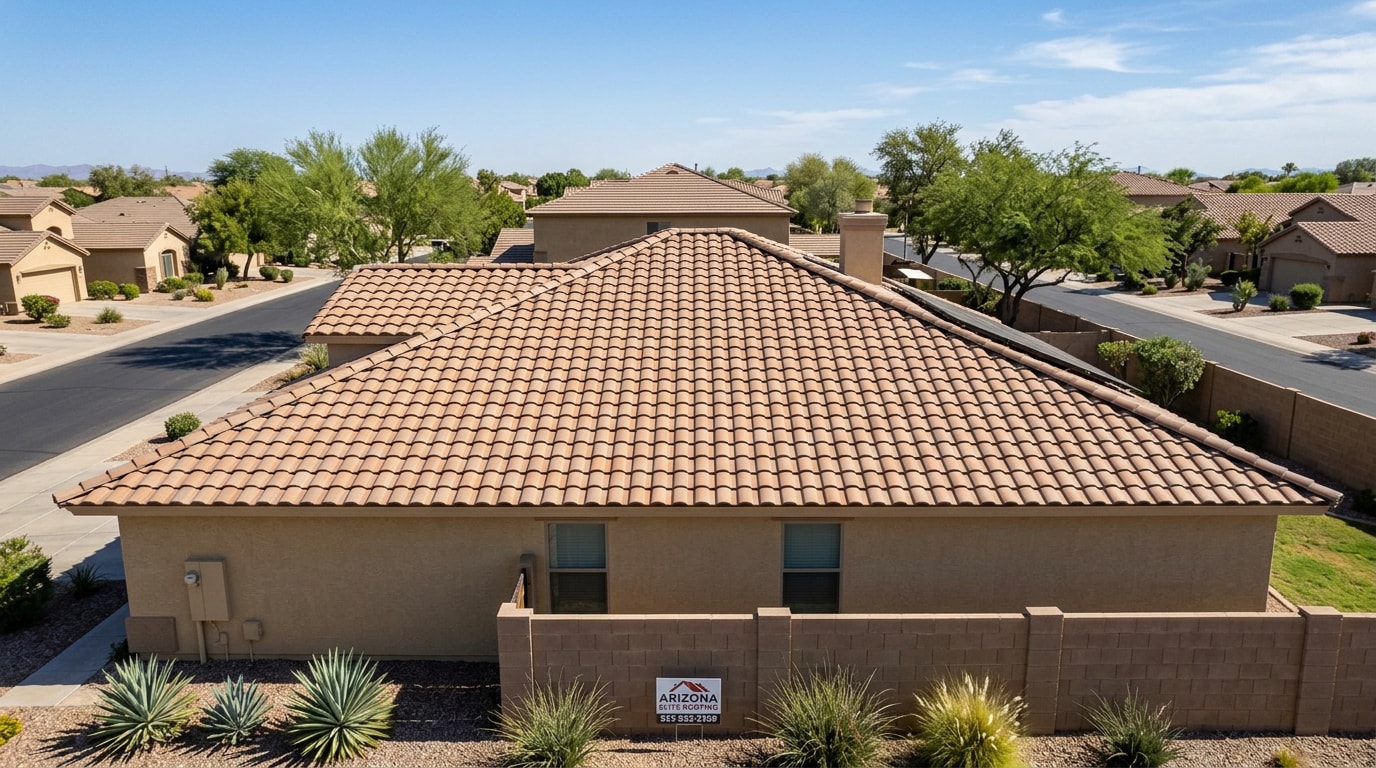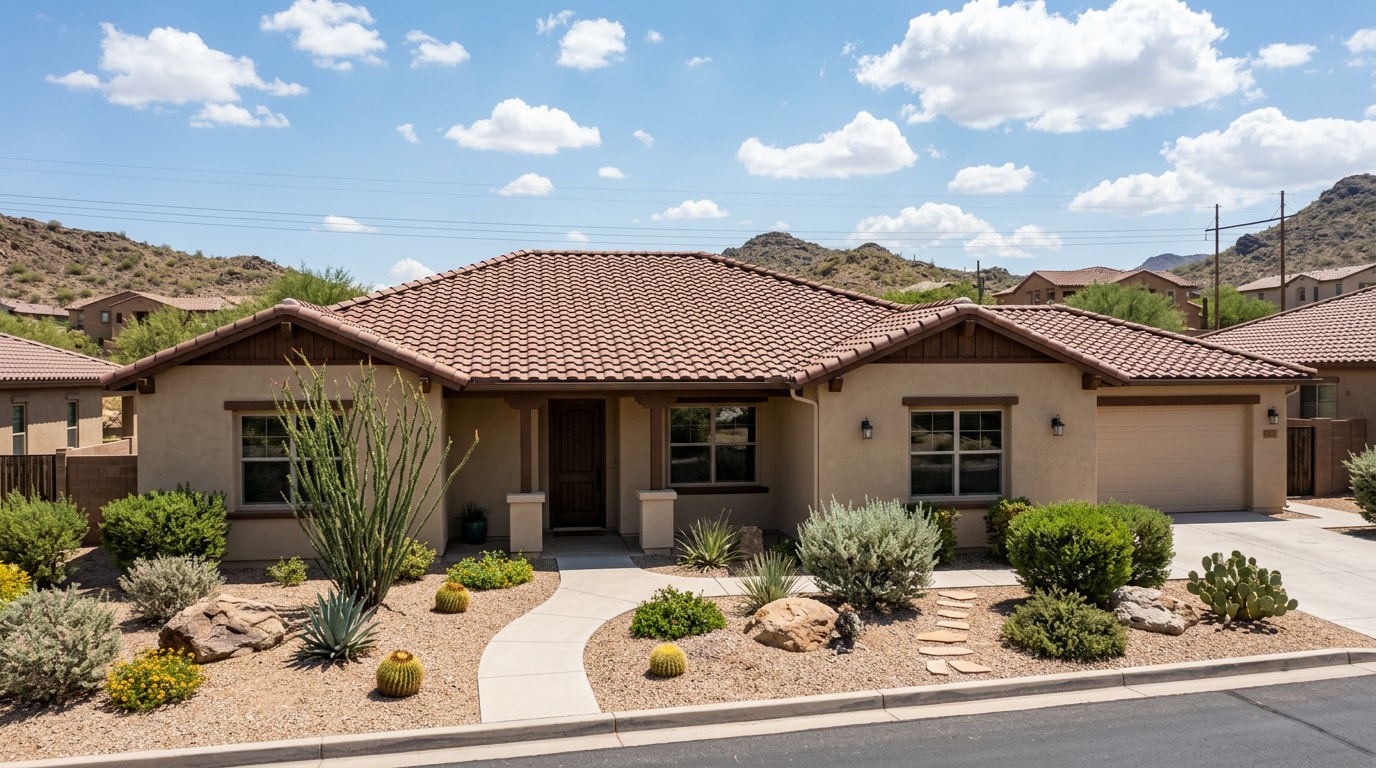
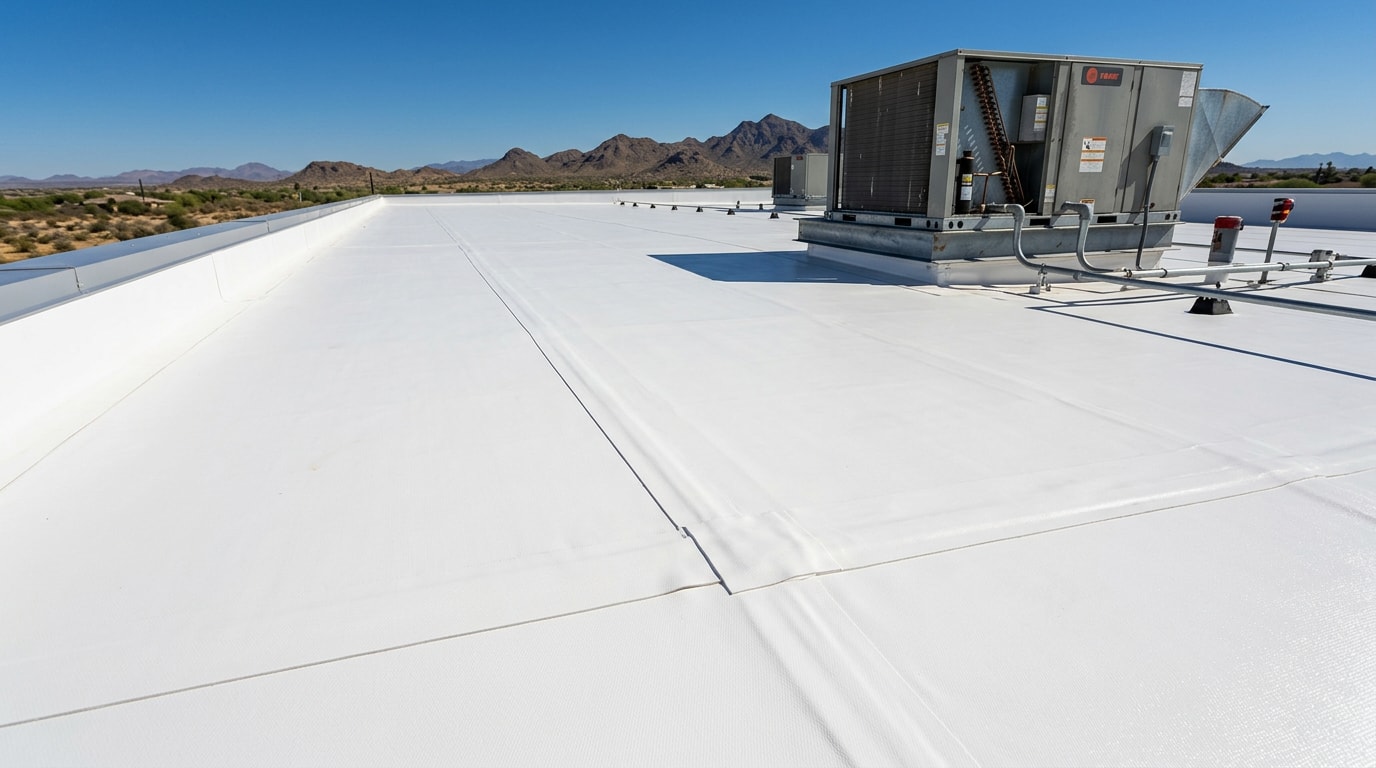
Vinyl roofing in Maricopa, AZ almost always means one specific product: a heat-welded PVC membrane on a flat or low-slope roof, not vinyl siding or vinyl flooring. Homeowners search this term because they want a straight answer on whether PVC can survive Pinal County summers and what it costs to find out. This guide covers real types, 2026 pricing, lifespan expectations, and the two ways our desert heat actually shortens a PVC roof's life, before you call a contractor.
What Is Vinyl Roofing?
Vinyl roofing is a low-slope roofing system built from polyvinyl chloride (PVC). On a commercial or flat residential roof, it almost always means a single-ply PVC membrane welded into one continuous waterproof sheet. It's a different material family than vinyl siding or vinyl flooring, even though they share the "vinyl" name.
Also called PVC roofing, it's most common on commercial properties and is sold either as large sheets for flat roofs or as shingle-style products for sloped roofs. Installers typically attach it one of three ways:
- Mechanically fastened — the membrane is secured with screws and plates, then seams are welded
- Fully adhered — the sheet is bonded to the substrate with adhesive
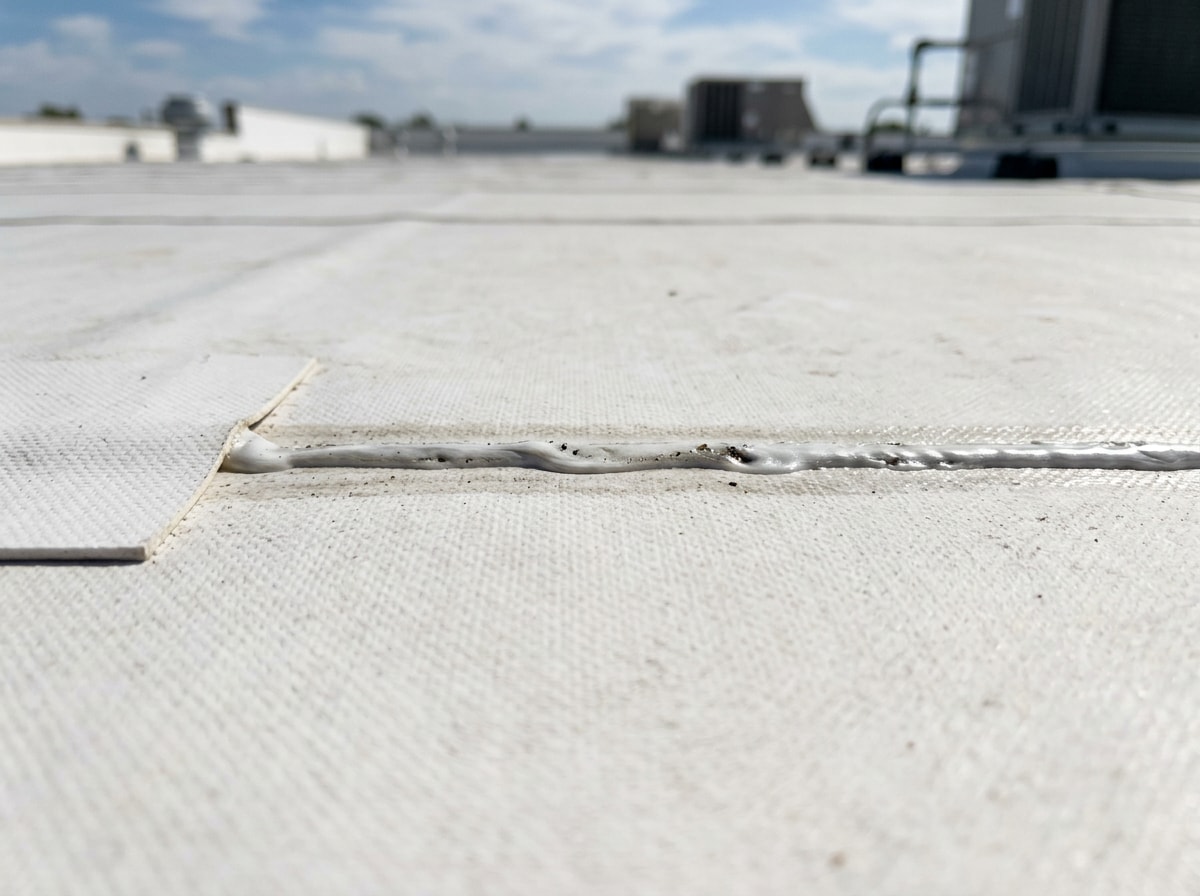
- Heat-welded seams — hot-air welding fuses panels into one continuous, waterproof surface regardless of attachment method
If you're comparing roofing materials for a property anywhere in the Phoenix Valley or Pinal County, AIM Services Roofing installs the full range of systems, including PVC, TPO, foam, and tile.
Vinyl (PVC) Roofing Cost in Maricopa, AZ
A single-ply PVC membrane roof commonly runs $7 to $14 per square foot installed in 2026, depending on membrane thickness, attachment method, and whether the job is a tear-off or recover. For a 2,000-square-foot flat roof, that puts total replacement in the $14,000 to $28,000 range before accounting for deck repairs or insulation upgrades.
| Cost Factor | Lower Cost | Higher Cost |
|---|---|---|
| Membrane thickness | 50 mil | 80 mil |
| Attachment method | Mechanically fastened | Fully adhered |
| Project scope | Recover over existing roof | Full tear-off + new insulation |
| Insulation | None / minimal | R-25 to R-30 upgrade |
Vinyl roofing often costs more upfront than asphalt shingles, but its longevity and low maintenance tend to even out the lifetime cost on a flat or low-slope building. For an accurate number on your specific roof, schedule a free inspection and we'll walk the roof with you before quoting anything.
How Long Does Vinyl Roofing Last in Arizona's Heat?
A PVC membrane roof typically lasts 20 to 30 years, and a well-installed, well-maintained system can reach the upper end of that range, with manufacturer warranties commonly running 20 to 30 years on the membrane itself.
Two issues tend to shorten that lifespan everywhere, but they hit harder here:
- Installation quality. Welding seams takes trained crews, and a sloppy weld becomes tomorrow's leak.
- Plasticizer migration. PVC membranes rely on plasticizers to stay flexible. Those plasticizers slowly migrate out of the material over decades, leaving older membranes stiffer and more prone to cracking.
Here's what most national roofing guides miss: Maricopa's climate pushes that second issue harder than the moderate climates those averages were calculated for. Phoenix-area summers regularly bring daily highs averaging well above 100°F for months at a stretch, and a dark or poorly ventilated roof deck can run even hotter than the air above it. That daily heat-cycling, paired with intense UV exposure, accelerates plasticizer loss compared to a roof in a milder region.
In practical terms, a Maricopa vinyl roof that isn't reflective or well-maintained may land toward the lower end of the 20-to-30-year range rather than the upper end. Routine inspections and a lighter-colored membrane help close that gap. We've walked enough Pinal County rooftops after a dozen summers to see the difference a light-colored, well-maintained membrane makes versus a dark, neglected one on an otherwise identical building.
Types of Vinyl Roofing
"Vinyl roofing" is really an umbrella term covering a few distinct products, and they don't perform the same way. Before you commit, it helps to know which one you're actually buying.
PVC Roofing Membrane (Single-Ply PVC Membrane)
This is the dominant, true "vinyl roofing" product and the one most people mean when they search the term. It's a heat-welded thermoplastic sheet, typically 50 to 80 mils thick, built to the ASTM D4434 standard for PVC sheet roofing, and best suited to flat and low-slope commercial and residential roofs. Most PVC membranes use two outer layers of PVC with a reinforcing scrim sandwiched between them, which adds tensile strength and punctures resistance.
Rigid PVC Panels
Rigid PVC panels are corrugated or interlocking plastic sheets, and they're a lighter-duty product entirely separate from roof membrane vinyl. They work well for porches, patios, carports, sheds, and greenhouses in Maricopa, and they're light enough for DIY installation. The trade-off: panels can become brittle in direct sun over time, and fastener lines are a common spot for leaks. Don't confuse corrugated patio panels with a real roofing membrane — they're not built for the same job.
Vinyl-Coated or Simulated Shingles and Metal Roofing
This third category covers metal or polymer roofing coated with PVC, or shingles styled to mimic slate or shake for sloped residential roofs. The coating adds corrosion resistance and lets homeowners get a premium look at a lower price point. Availability is more limited than standard membrane or shingle roofing, and pricing varies widely depending on manufacturer and the installer's experience with the product.
Benefits of Vinyl Roofing
Vinyl roofing has stayed popular because it's a genuinely strong material that holds up across different weather conditions.
- Weather resistance. Resists heavy rain, high wind, fire, chemicals, and UV radiation.
- True waterproofing. Heat-welded seams make the entire membrane effectively one continuous waterproof sheet, a major advantage on flat roofs where standing water is a real risk.
- Reflectivity. Many PVC membranes come in white or light colors that reflect sunlight rather than absorbing it. The U.S. Department of Energy's cool-roof guidance notes that reflective, high-emittance roofing lowers surface temperature and reduces cooling loads, which matters directly in a climate like Maricopa's.
- Chemical resistance. Useful for commercial buildings near industrial exhaust or rooftop HVAC equipment.
- Low maintenance. With periodic inspections, PVC roofs keep performing for decades without major upkeep.
Downsides and Limitations of Vinyl Roofing
Vinyl roofing typically costs more upfront than asphalt shingles or other common materials, and if your home doesn't already have a PVC system, you're budgeting for a full replacement rather than a simple repair. PVC membranes also expand and contract noticeably with temperature swings, which can stress seams and attachment points over time.
Plasticizer Migration
Loss of plasticizers over time causes PVC membranes to become brittle, raising the risk of cracking and premature failure. This is worth monitoring closely on Maricopa roofs, since the extreme heat covered earlier speeds up the process compared to milder climates.
Chemical Incompatibility
Direct contact with asphalt or certain insulation adhesives can degrade a PVC membrane and compromise its waterproofing. This mostly comes up during re-roofing projects where a new PVC system goes over an old asphalt or built-up roof, so flag it for your contractor ahead of time.
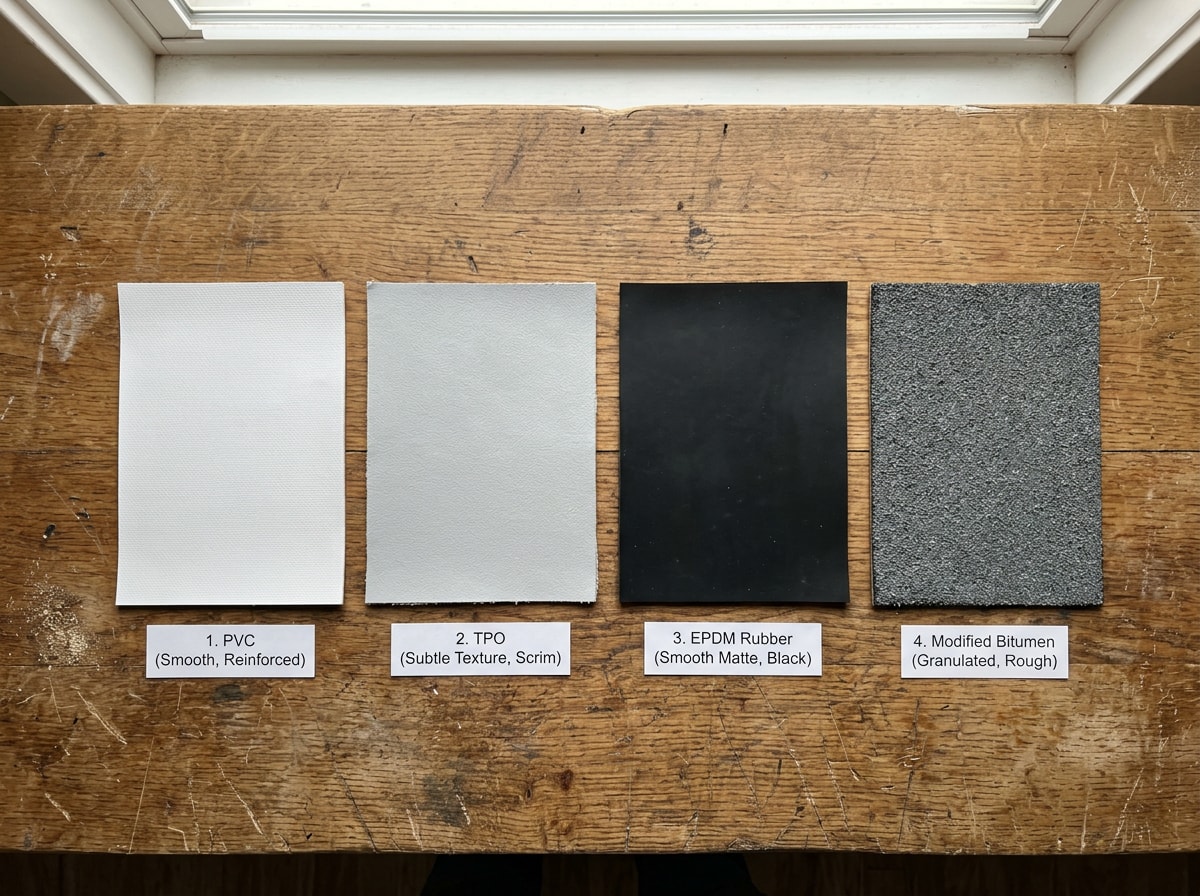
Vinyl (PVC) vs. Other Flat Roofing Materials
Vinyl roofing's higher initial price tag is easier to justify once you factor in its long service life and minimal maintenance compared to asphalt or standard built-up roofing. Over a 20-to-30-year span, the total cost of ownership often comes out ahead.
| Material | Typical Cost/Sq Ft | Lifespan | Best Suited For |
|---|---|---|---|
| PVC (vinyl) | $7–$14 | 20–30 yrs | Grease/chemical exposure, ponding water |
| TPO | $5–$10 | 15–25 yrs | Budget-conscious flat roofs |
| EPDM (rubber) | $4–$8 | 15–25 yrs | Simple low-slope residential roofs |
| Modified bitumen | $4–$8 | 15–20 yrs | Smaller flat residential roofs |
It's also worth not confusing PVC with its closest relatives. TPO roofing looks similar but uses a different polymer blend and is generally cheaper, while EPDM is a rubber membrane, and modified bitumen and built-up roofing are asphalt-based systems entirely. For a flat commercial or residential roof in Maricopa, PVC is a defensible choice if you want the longest-proven single-ply track record and your roof won't see aggressive chemicals. If budget leads the decision, TPO or foam roofing is worth weighing. If your roof is steep-slope, a vinyl membrane isn't the right product at all — look at vinyl-coated shingles or metal instead.
Finding a Vinyl Roofing Contractor in Maricopa, AZ
Here's something worth knowing before you start calling around: most Pinal County roofing companies don't actually advertise "vinyl roofing" by that name. Search local listings and you'll find them selling TPO, foam, and single-ply systems instead, even when the product they're installing is the same PVC membrane. That terminology gap trips up a lot of homeowners doing research, and it's worth asking a contractor directly, "Do you install PVC membrane?" rather than searching for "vinyl" alone.
When vetting a contractor for a PVC or vinyl roof in Maricopa, ask about:
- Years of experience specifically welding PVC seams (not just TPO)
- Manufacturer certifications for the membrane brand they're proposing
- Whether they're quoting a recover or a full tear-off, and why
- A written scope that separates membrane, insulation, and labor costs
A roof inspection before any quote tells you whether your deck can even support a new membrane system or whether a roof replacement is the more honest recommendation. If your current roof was damaged by monsoon wind or hail before you started shopping for a new system, our roofing inspection checklist for Maricopa homeowners walks through what to document first. AIM Services Roofing serves Maricopa, AZ and the surrounding Pinal County communities; schedule a free inspection and we'll tell you honestly whether PVC, TPO, or foam fits your roof and budget.
FAQ
How Long Does a Vinyl Roof Last?
A vinyl (PVC) membrane roof typically lasts 20 to 30 years. A well-installed, well-maintained system can reach the upper end of that range, and membrane warranties commonly run 20 to 30 years as well. In Maricopa's heat, roofs without a reflective coating or regular inspections tend to land lower in that range.
Is Vinyl Roofing the Same as PVC Roofing?
Yes, in roofing contexts "vinyl roofing" and "PVC roofing" refer to the same single-ply thermoplastic membrane. The names are used interchangeably by manufacturers and contractors, though "PVC" is the more precise technical term.
How Much Does Vinyl Roofing Cost in Maricopa, AZ?
Expect $7 to $14 per square foot installed in 2026, or roughly $14,000 to $28,000 for a 2,000-square-foot flat roof. Thickness, attachment method, and whether the job needs a full tear-off are the biggest cost drivers.
Is PVC Roofing Good for Arizona's Heat?
Yes, with caveats. PVC handles intense UV and heat better than many materials, especially in light colors that reflect sunlight. But the same heat that makes it a good fit also accelerates plasticizer loss over time, so inspection intervals matter more here than in milder climates.
What's the Difference Between PVC and TPO Roofing?
Both are single-ply membranes with heat-welded seams, but they're different polymer families. PVC generally costs more and holds up better against chemicals and grease; TPO is cheaper and performs well for straightforward flat roofs without heavy chemical exposure.
Why Is PVC Roofing Considered an Important Option for Commercial Buildings?
PVC roofing is valued for its durability, energy efficiency, chemical resistance, and relatively straightforward installation. Those qualities make it a reliable, low-maintenance option for restaurants, warehouses, and other commercial roofs with rooftop equipment or exhaust exposure.
About AIM Services Roofing
This guide was prepared by the team at AIM Services Roofing, a licensed, bonded, and insured roofing contractor installing and repairing PVC, TPO, foam, tile, and shingle roofs across Maricopa, Casa Grande, and the greater Phoenix Valley. Have questions about your specific roof? Contact us or browse our completed projects for examples of recent work.